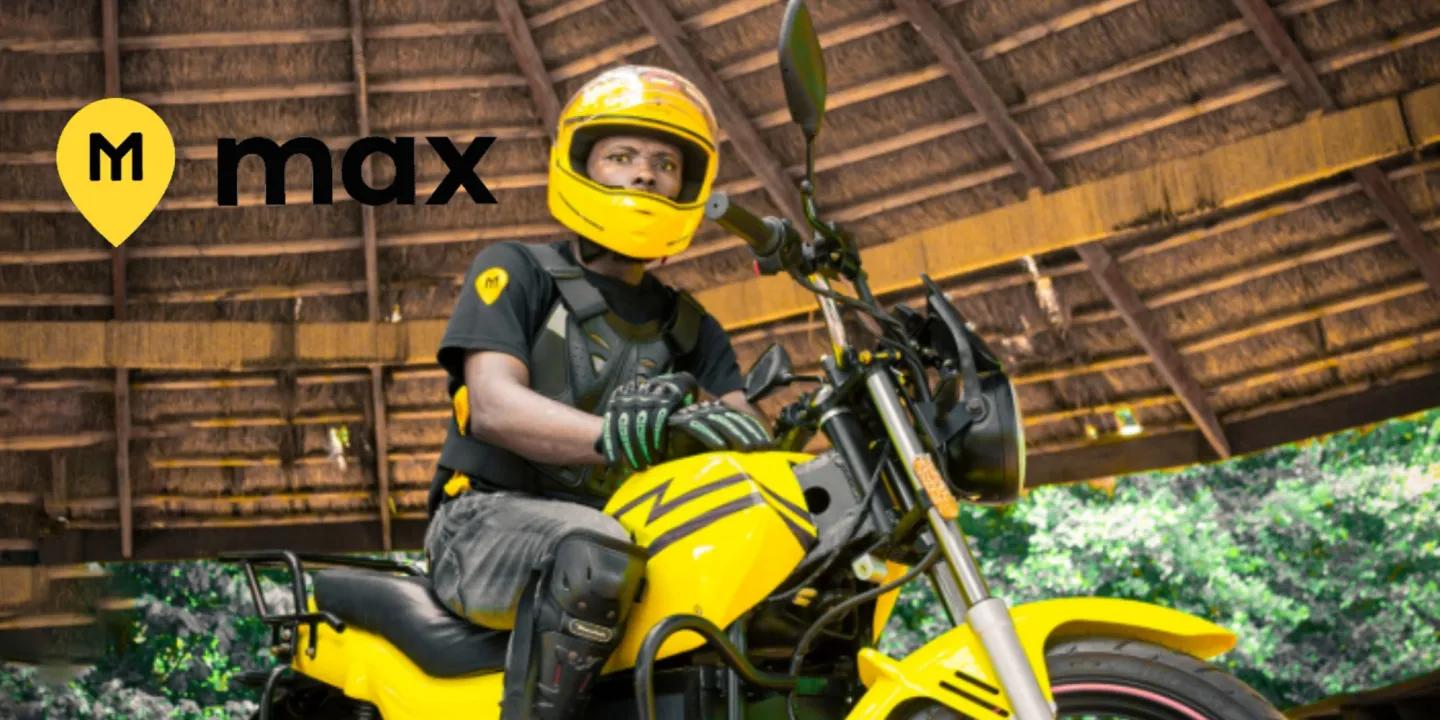
Metro Africa Xpress (MAX), a Nigerian-founded mobility technology company, has expanded its Series B3 funding round to $29 million following a new investment from US-based climate-finance firm Nithio.
The funding development, announced by Nithio on October 12 and reported by technology publications this week, is intended to support MAX’s expansion of electric mobility services and infrastructure across West and Central Africa.
The precise amount contributed by Nithio was not disclosed.
Founded in 2015 and headquartered in Lagos, MAX combines electric vehicles, battery subscriptions, digital financing, fleet management and charging infrastructure to serve commercial transport operators.
Its business model allows eligible drivers, known as MAX Champions, to access vehicles through daily subscription arrangements rather than paying the full purchase price upfront.
The company also operates battery-swapping infrastructure and works with vehicle and battery partners to support commercial electric mobility.
The approach addresses a major barrier to electric-vehicle adoption: the high initial cost of acquiring a vehicle and the infrastructure needed to keep it running.
For commercial riders, fuel and maintenance expenses can significantly affect daily earnings. Electric motorcycles supported by battery-swapping services may offer an alternative, although the actual savings depend on subscription charges, battery availability, operating conditions and electricity costs.
MAX has reported operations across 20 cities in Nigeria, Ghana and Cameroon, serving more than 60,000 drivers. These figures are company-reported and have not been independently audited in the funding announcement.
The latest financing follows earlier funding activity this year and raises the company’s reported Series B3 total to $29 million. The funds are expected to support vehicle deployment, battery infrastructure and expansion into additional markets.
Nithio’s investment also reflects growing interest among climate-finance providers in businesses that combine technology, financial inclusion and lower-emission transport.
However, scaling electric mobility in Nigeria remains challenging. Reliable electricity, battery-swapping availability, vehicle maintenance and access to affordable financing will determine how quickly the model can expand.
The company’s ability to maintain repayment performance under its subscription model will also be important as its fleet grows. Expanding into new markets introduces additional regulatory, operational and infrastructure requirements.
MAX has set an ambitious target of supporting 250,000 drivers and achieving annual recurring revenue exceeding $150 million by 2027. Meeting those goals will require substantial growth in its fleet, customer base and supporting energy network.
For Nigeria’s technology industry, the investment highlights an emerging category of businesses that combine software, physical infrastructure and financial services rather than operating solely as digital platforms.
The next test will be whether MAX can scale its operations while maintaining commercially sustainable pricing for drivers and reliable service across its expanding network.