Nigeria’s merchandise trade rose to ₦41.4 trillion in the second quarter of 2026, reflecting a 5.6 per cent increase compared with the corresponding period of 2025.
The latest figures highlight the continued importance of international trade to the Nigerian economy, particularly as the country seeks to expand exports, strengthen domestic production and improve its position in regional and global markets.
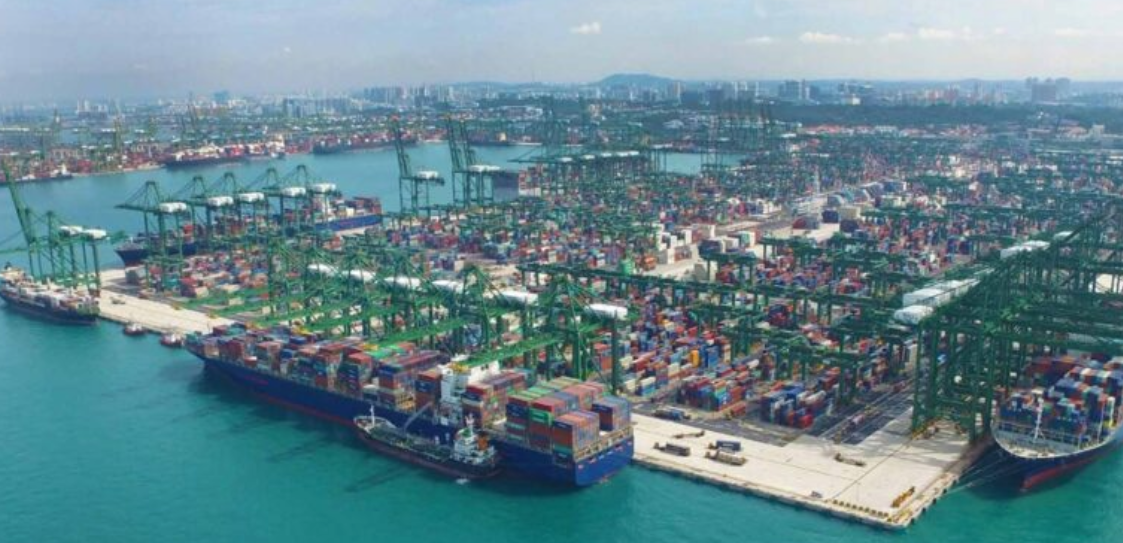
The development was reported alongside an increase in cargo throughput across Nigerian ports, indicating growing activity within the country’s maritime and logistics sector.
According to figures reported by Punch Newspapers on Friday, November 27, 2026, the Nigerian Ports Authority (NPA) recorded cargo throughput of 129.3 million metric tonnes in 2025, compared with 103.6 million metric tonnes in 2024.
This represents a 24.8 per cent increase in cargo handled over the period.
The figures demonstrate the growing volume of goods moving through Nigeria’s port infrastructure and underline the importance of efficient maritime operations to the country’s commercial activities.
Growth in port cargo operations
Cargo throughput is an important indicator of activity within the maritime sector because it measures the volume of goods handled through ports over a particular period.
An increase in throughput can reflect stronger import and export activities, improved port operations and increased demand for logistics services.
Nigeria relies heavily on its seaports for international commerce, with major facilities in Lagos and other coastal locations serving as gateways for imported goods and locally produced exports.
The country’s ports handle a wide range of commodities, including petroleum products, agricultural produce, manufactured goods, machinery, industrial equipment and consumer products.
As trade volumes increase, the ability of port authorities and terminal operators to manage cargo efficiently becomes increasingly important.
Delays, congestion and high handling costs can increase the overall cost of doing business and reduce the competitiveness of Nigerian products in international markets.
Importance of maritime infrastructure
The latest cargo figures also highlight the importance of investment in port infrastructure.
Efficient ports can reduce vessel waiting times, improve cargo clearance and support businesses that depend on timely delivery of imported materials and exported products.
For manufacturers, delays in receiving raw materials can interrupt production and increase operating costs.
Exporters also depend on reliable port services to transport agricultural commodities, manufactured products and other goods to international destinations.
Improving port efficiency could therefore strengthen Nigeria’s ability to benefit from expanding trade opportunities.
The country’s maritime industry also supports employment across shipping, freight forwarding, haulage, warehousing, customs brokerage and other logistics-related activities.
Opportunities for Nigerian businesses
The increase in merchandise trade provides opportunities for businesses operating across several sectors of the economy.
Manufacturers could benefit from stronger access to imported production equipment and raw materials, while exporters may gain from improved opportunities to reach international customers.
Agricultural businesses could also benefit from more efficient transportation systems that make it easier to move products from production areas to export terminals.
However, rising trade figures do not automatically mean that all businesses are benefiting equally.
The cost of transportation, foreign exchange availability, port charges and regulatory procedures remain important factors affecting the competitiveness of Nigerian companies.
The government and relevant maritime authorities will therefore need to sustain efforts to improve infrastructure and reduce operational bottlenecks.
Outlook for Nigeria’s trade sector
Nigeria’s ability to maintain trade growth will depend on its capacity to improve production, expand exports and make its ports more efficient.
Greater investment in modern port equipment, digital clearance systems, road connections and cargo-handling facilities could help improve the movement of goods.
The figures also reinforce the need to strengthen local manufacturing and diversify exports beyond crude oil.
As Nigeria seeks to increase its participation in international trade, the performance of its maritime sector will remain a major factor in determining how effectively businesses can compete.