The Nigerian Export-Import Bank (NEXIM Bank) has raised concerns over the challenges affecting Nigeria’s export competitiveness, identifying high energy costs, inefficient port operations and limited access to financing as major obstacles confronting local businesses.
The concerns come as Nigeria continues to pursue economic diversification through non-oil exports, industrial development and increased participation in regional and international trade.
According to a report published by Punch Newspapers on Friday, November 27, 2026, the Managing Director of NEXIM Bank, Abubakar Bello, highlighted the difficulties facing Nigerian exporters and manufacturers.
The bank warned that without improvements in infrastructure, financing and the business environment, local companies could struggle to compete effectively with businesses operating in other countries.
Nigeria has continued to explore opportunities to increase exports of agricultural commodities, manufactured products and other non-oil goods.
However, the cost of producing and transporting these products remains a major concern for businesses seeking to enter international markets.
High energy costs affect production
One of the major challenges identified by NEXIM Bank is the high cost of energy.
Many Nigerian manufacturers depend on alternative sources of electricity because of the difficulties associated with reliable power supply.
Businesses frequently rely on diesel generators and other independent energy sources to maintain production.
Although these alternatives help companies continue operating, they increase production expenses and reduce profit margins.
For exporters, higher production costs can make Nigerian products more expensive than similar goods produced in countries with cheaper and more reliable energy systems.
This situation creates additional pressure for local businesses competing for international customers.
Manufacturers also face the challenge of maintaining consistent production levels while managing fluctuating energy expenses.
The bank’s concerns highlight the importance of improving electricity supply and developing more affordable energy solutions for industrial businesses.
Inefficient ports increase business costs
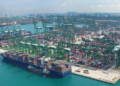
Port inefficiencies represent another major challenge for Nigerian exporters.
The country’s maritime facilities play an important role in international trade, providing access to foreign markets through shipping routes.
However, delays in cargo handling, documentation and clearance can increase the cost of transporting goods.
For exporters dealing with agricultural products and other time-sensitive commodities, delays can affect product quality and reduce the value of shipments.
Additional logistics expenses can also make Nigerian goods less competitive in international markets.
Improving port operations, reducing unnecessary delays and strengthening coordination among relevant government agencies could help address these challenges.
Modernising infrastructure and adopting more efficient digital systems may also improve the movement of goods through Nigerian ports.
Financing remains a major obstacle
Access to affordable financing is equally important for businesses seeking to expand production and export operations.
Export-oriented companies often require substantial capital to purchase raw materials, acquire machinery, process products and meet international quality standards.
However, expensive borrowing can make it difficult for small and medium-sized businesses to secure the funds needed to grow.
Limited access to financing may also prevent companies from accepting large international orders or investing in additional production capacity.
NEXIM Bank plays an important role in supporting Nigerian exporters through trade finance and other financial interventions.
The institution’s concerns underline the need for stronger cooperation between development finance institutions, commercial banks and other financial organisations.
AfCFTA presents opportunities
The African Continental Free Trade Area (AfCFTA) offers Nigerian businesses opportunities to access a wider market across the continent.
The agreement seeks to promote trade among African countries by reducing trade barriers and encouraging economic cooperation.
Nigeria’s participation could create opportunities for manufacturers, agricultural producers and service providers seeking to expand beyond the domestic market.
However, businesses must be competitive enough to take advantage of these opportunities.
High production expenses, expensive logistics and limited access to finance could weaken the ability of Nigerian companies to compete with products from other African economies.
This makes the concerns raised by NEXIM Bank particularly important.
Need for stronger economic support
Addressing the challenges facing exporters will require coordinated action from the government, financial institutions and private-sector operators.
Improved electricity supply, efficient port operations, affordable credit and stronger trade infrastructure could help reduce production costs.
The government may also need to strengthen policies that encourage local manufacturing and support businesses seeking to develop export markets.
For Nigeria, expanding non-oil exports remains an important part of efforts to diversify government revenue, create employment and strengthen foreign exchange earnings.
The warning from NEXIM Bank therefore highlights the need to address structural challenges if the country intends to achieve sustainable export growth.