Dangote Petroleum Refinery and Petrochemicals is preparing for its anticipated debut on the Nigerian Exchange (NGX) on December 1, 2026, in a development expected to attract considerable attention from investors and participants in Nigeria’s capital market.
The planned listing follows approval by the Securities and Exchange Commission (SEC) of the refinery’s share allocation plan after its initial public offering attracted substantial investor interest.
According to Reuters, the refinery’s shares are expected to begin trading on the Nigerian Exchange on December 1, following confirmation from Devakumar Edwin, Vice President of Oil and Gas Development at Dangote Group.
The development represents an important step in the company’s efforts to introduce its ownership structure to the public market.
The listing could also become a significant event for Nigeria’s capital market because of the size of the refinery and its importance to the country’s energy industry.
SEC approves share allocation plan
The Securities and Exchange Commission’s approval of the share allocation arrangement provides an important regulatory step towards the commencement of trading.
Reuters previously reported that the refinery’s initial public offering attracted demand approximately three times the original offering size.
The company was also seeking approval to increase the size of the offering by as much as 30 per cent.
The strong demand highlights the level of interest surrounding the refinery and its potential position within Nigeria’s investment market.
The offering provides investors with an opportunity to participate in a major industrial enterprise that has attracted significant attention because of its scale and strategic importance.
A major development for Nigeria’s capital market
The anticipated listing could strengthen the profile of the Nigerian Exchange by introducing a major energy and industrial company to the market.
A successful listing may attract additional interest from domestic and international investors looking for exposure to Nigeria’s energy and manufacturing sectors.
It could also encourage other large privately owned businesses to consider accessing the capital market.
For Nigeria, attracting more companies to the exchange is important because a deeper capital market can improve access to long-term funding.
Companies can use the stock market to raise capital, while investors gain opportunities to participate in business ownership and potential financial returns.
However, the performance of any newly listed company will depend on its financial results, business strategy, market conditions and investor confidence.
Importance of the refinery to Nigeria’s energy sector
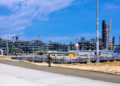
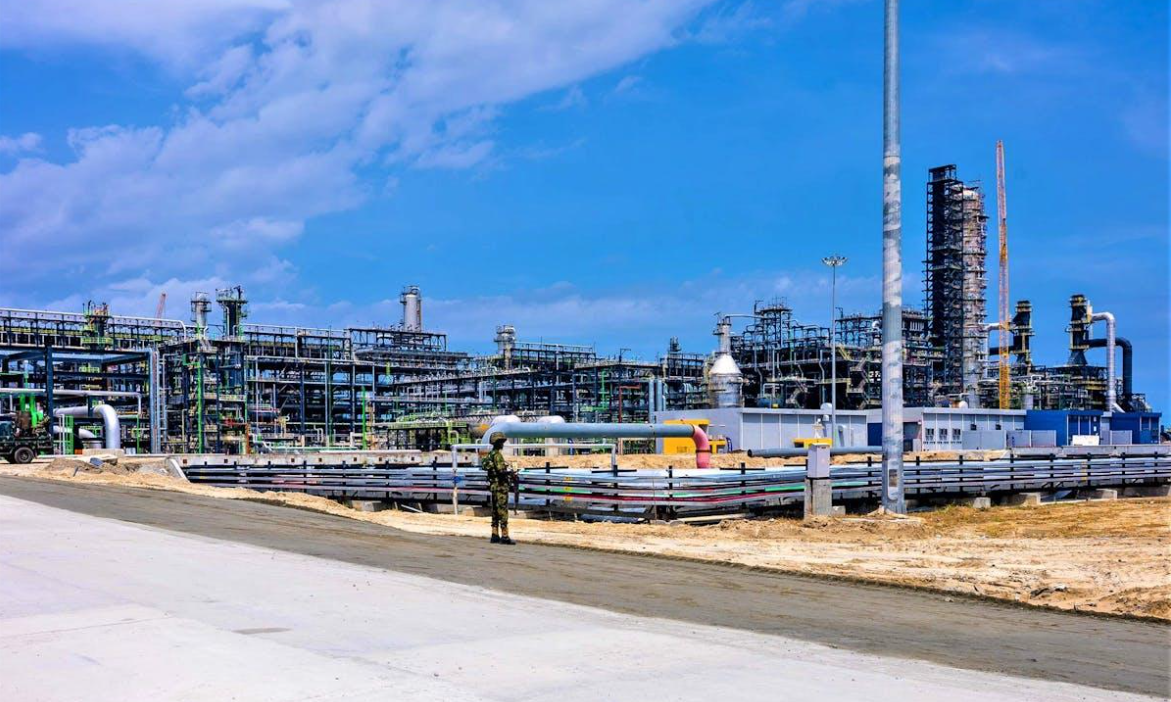
The Dangote refinery is located in the Lekki area of Lagos State and was developed as a major private-sector investment in Nigeria’s petroleum industry.
The facility began operations in 2024 and has a nameplate processing capacity of 650,000 barrels per day, with expansion ambitions.
Its development has attracted attention because Nigeria has historically depended heavily on imported refined petroleum products despite being a major crude oil producer.
Domestic refining capacity is important because it can reduce the need for imported petroleum products and strengthen local value addition within the oil and gas industry.
The refinery also has implications for foreign exchange demand, fuel supply, industrial activity and employment.
However, its long-term contribution will depend on consistent crude supply, operational efficiency, distribution capacity and the ability to compete in both domestic and international markets.
What investors should consider
Although the planned listing has generated considerable interest, prospective investors should assess the company’s financial position and business prospects before making investment decisions.
Important considerations include profitability, operating expenses, debt obligations, revenue performance and future expansion plans.
Investors should also examine the company’s official offer documents and relevant disclosures released through the appropriate regulatory and exchange channels.
A high level of demand during an initial public offering does not automatically guarantee future share-price appreciation.
Market performance will ultimately depend on the company’s fundamentals and broader economic conditions.
December 1 listing attracts attention
The expected December 1 commencement of trading marks a significant moment for the refinery and Nigeria’s investment community.
If successfully completed, the listing could become one of the most closely watched developments in the Nigerian capital market in 2026.
It may also strengthen Lagos’ position as an important financial centre in Africa.
The development will be closely monitored by investors, financial analysts and businesses seeking to understand its potential impact on the Nigerian Exchange.