The Nigerian Midstream and Downstream Petroleum Regulatory Authority has ordered filling stations across the country to immediately inspect and recalibrate their dispensing pumps after uncovering incidents of consumers receiving less petroleum product than they paid for.
The regulator warned that retail outlets found under-dispensing products could face sanctions, including revocation of their operating licences.
NMDPRA issued the directive in an industry circular, describing under-dispensing as a serious breach of consumer trust.
The regulator said retail operators must check and calibrate their dispensing equipment and totalisers to ensure accurate measurement. Reports on the directive confirm that NMDPRA has put marketers on notice over pump accuracy.
Consumers Must Get What They Pay For
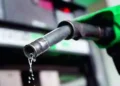
Under-dispensing occurs when a fuel pump displays a particular quantity while delivering less product into a customer’s vehicle or container.
The practice means motorists effectively pay a higher price per litre than the advertised pump price.
For example, the economic effect of paying for 20 litres but receiving less is equivalent to increasing the effective price paid by the consumer.
That makes pump accuracy particularly important when households and businesses are already managing high transportation and energy expenses.
Stations Ordered to Check Pumps
The NMDPRA directive requires filling-station operators to verify the accuracy of their dispensing systems rather than waiting for regulatory inspections to identify problems.
Calibration involves testing equipment to determine whether the volume displayed by a pump corresponds with the actual quantity delivered.
Totalisers, which record the cumulative amount dispensed through pumps, are also included in the regulator’s directive.
Properly calibrated equipment provides both consumers and regulators with greater confidence in retail transactions.
Licence Revocation Raises Stakes
The threat of licence withdrawal significantly increases the potential consequences for operators found violating measurement requirements.
Regulatory penalties can range from corrective directives to more serious enforcement actions depending on applicable rules and the circumstances of individual cases.
Licence revocation would be particularly severe because it could prevent an affected station from legally continuing retail operations.
The warning is therefore intended to create a stronger incentive for marketers to verify equipment before inspectors uncover irregularities.
Enforcement Will Determine Impact
The effectiveness of the directive will ultimately depend on inspections and enforcement.
Nigeria has thousands of petroleum retail outlets operating across a large geographic area, meaning consistent monitoring requires significant regulatory capacity.
Consumers can also play a role by reporting suspected discrepancies, although determining whether a pump is inaccurate requires proper measurement rather than visual estimates alone.
The directive arrives at an important time for Nigeria’s downstream market.
NMDPRA is simultaneously working on new competition regulations covering market conduct while authorising additional petrol imports for the final quarter of 2026.
Taken together, the developments show the regulator increasing its focus on both wholesale market competition and retail consumer protection.
For motorists, however, the immediate concern is straightforward: the number of litres displayed on a filling-station pump should correspond with the quantity of fuel actually delivered.
The NMDPRA’s latest directive puts operators on notice that failure to meet that requirement could threaten their ability to remain in business.