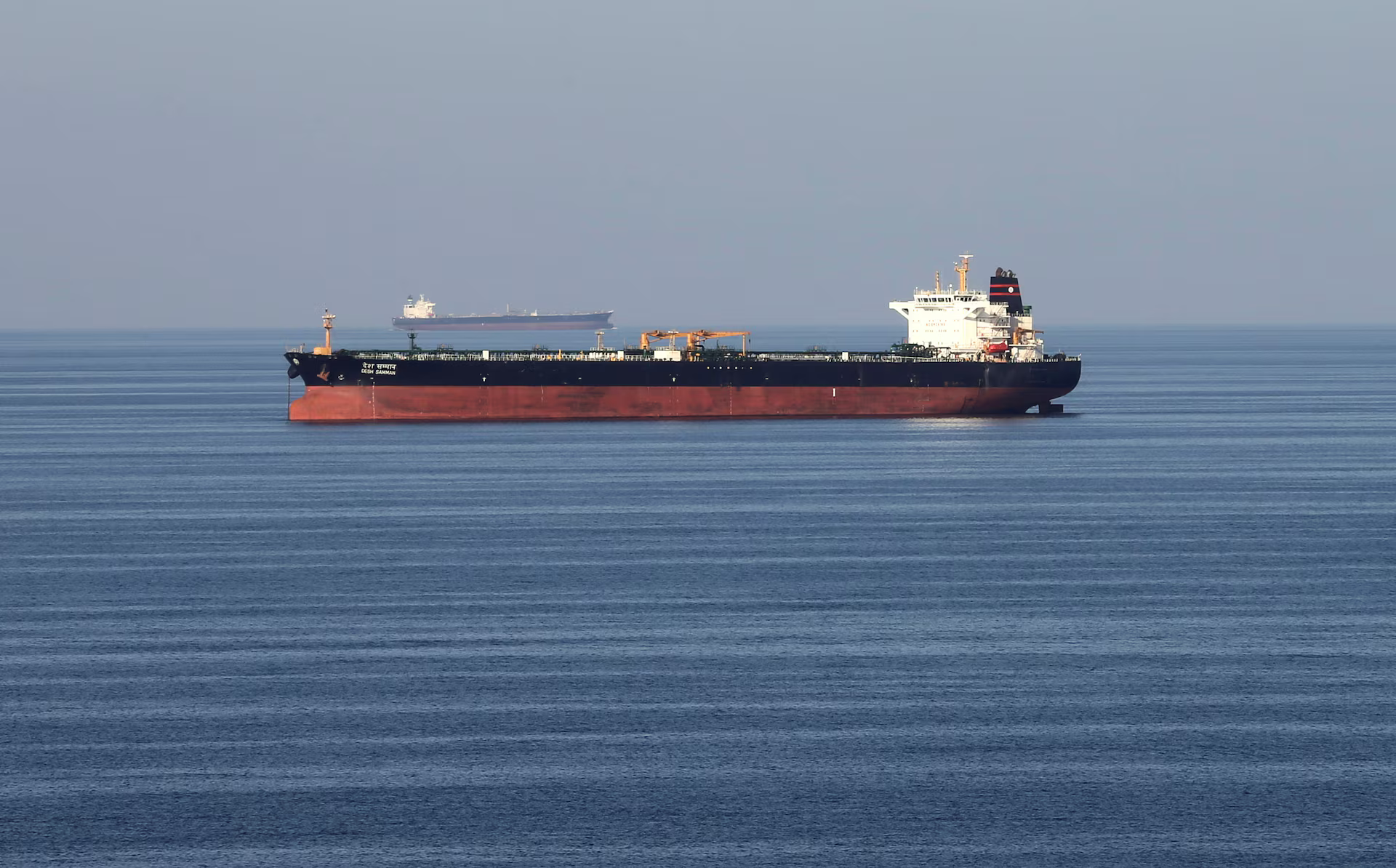
Oil prices extended gains on Friday as concerns over the reopening of the Strait of Hormuz intensified after Iran, in coordination with Oman, proposed restrictions on vessels considered hostile and potential penalties for violations.
Brent crude futures rose 80 cents, or 0.97 per cent, to $83.29 a barrel by 0303 GMT, while US West Texas Intermediate (WTI) futures increased by 64 cents, or 0.83 per cent, to $77.93.
The rise followed a more than $3 increase in oil futures on Thursday after Iran began reviewing a bill that could restrict US and Israeli vessels from using the Strait of Hormuz, a critical energy route through which about one-fifth of the world’s oil and liquefied natural gas shipments pass.
Oil prices had earlier declined during the week as prospects of a resolution to the conflict appeared stronger. However, Brent crude climbed above $80 on Thursday after briefly falling below that level for the first time since July 13.
Despite the recent gains, both Brent and WTI benchmarks were still heading for weekly losses of about 8 per cent.
Analysts said developments during the week suggested that tensions between Iran and the United States remained unresolved.
Lin Ye, vice-president of commodities market – oil at consultancy Rystad Energy, said oil prices were responding to Iran’s proposed conditions for transit through the Strait of Hormuz, including restrictions on US and Israeli vessels and possible compensation requirements for other countries classified as hostile.
“That’s not the market pricing in a bad deal, it’s pricing in confirmation that whatever emerges is a managed/conditional corridor, not a restoration of normal flow,” Ye said.
According to Iranian media reports, a parliamentary committee is reviewing a preliminary bill that would ban US, Israeli and other vessels deemed hostile from passing through the strait.
The proposed measures could include fines of up to 20 per cent of cargo value for violators.
A senior Iranian official said Tehran was seeking fees of between 5 per cent and 7 per cent of cargo values from ships using the route, while Oman was considering fees of around 3 per cent. The United States has opposed any transit fees.
Industry sources said the proposed arrangement could face challenges due to US sanctions and insurance restrictions affecting payments.
Vandana Hari, founder of oil market analysis provider Vanda Insights, said the signals surrounding a possible Iran-Oman transit agreement had created uncertainty in energy markets.
She said the market remained unclear on what conditions would need to be met before an agreement could be finalised.
Meanwhile, Yemen’s Houthi movement said it carried out missile and drone attacks on Saudi deployments in Marib and Hadramout on Thursday, adding to regional security concerns.
US President Donald Trump said on Thursday that he believed the war would end soon.