The Petroleum Products Retail Outlets Owners Association of Nigeria (PETROAN) has called for the liberalisation of Nigeria’s downstream petroleum sector, urging authorities to allow more licensed operators to import Premium Motor Spirit (PMS), commonly known as petrol.
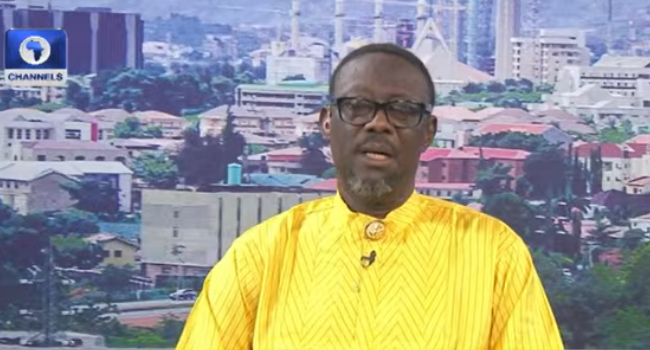
National President of PETROAN, Billy Gillis-Harry, made the call while appearing on The Morning Brief programme on Channels Television on Tuesday.
According to him, increased participation by licensed importers would introduce healthy competition in the market and protect the country from petrol price shocks caused by global supply disruptions, particularly the ongoing crisis in the Middle East.
The crisis has pushed petrol prices in Nigeria to above ₦1,200 per litre in some locations, raising concerns about affordability for consumers.
Gillis-Harry said liberalisation would not mean abandoning local refining but rather creating a balanced market that encourages competition while supporting domestic production.
“We do not want to recommend a total dependence on getting petroleum products from foreign sources. Importation should not be a permanent thing,” he said.
“Our position is that since we have a local refinery such as the Dangote Refinery, which has helped advance the economy, there is still clearly a need to bring in additional product sources. This will help liberalise the market and ensure that it is competitive.”
He noted that although the Dangote facility has become a major supplier in the domestic market, Nigeria should not rely on a single source of supply.
“The fact that we are depending on the Dangote Refinery today is a great pointer to where we can go. While we think that refining will increase in the country, temporarily we should also allow imports to come in because that will help us compete favourably,” he added.
Gillis-Harry also criticised recent policy advice from the World Bank, which recommended deeper fuel importation as part of reforms to ease inflationary pressures.
In its April 2026 Nigeria Development Update, the World Bank advised the government to remove supply-side constraints in the downstream petroleum sector. The report argued that restricted competition and trade barriers have contributed to rising costs across the economy.
It also recommended reinstating petrol import licences to reintroduce competition in the PMS market after import permits were suspended earlier in the year.
According to the report, domestic petrol prices reached about ₦1,275 per litre as of March 2026, compared with an estimated import parity price of around ₦1,122 per litre, indicating a price difference of roughly 12 per cent.
However, Gillis-Harry said Nigeria should rely more on local expertise when formulating economic policies.
“I do not accept everything that the World Bank advises. We have enough intellectuals in this country. We have very great financial minds and economists who can give Nigeria the direction we can drive,” he said, adding that some international policy recommendations may not fully reflect Nigeria’s realities.
The PETROAN president also dismissed concerns that allowing more imports could expose Nigeria to substandard fuel products.
He explained that imported petroleum products would still pass through strict regulatory checks by the Nigerian Midstream and Downstream Petroleum Regulatory Authority (NMDPRA) to ensure quality standards are maintained.
“This is not correct. Imported products will go through the necessary check processes of the regulator to ensure that the quality is acceptable,” he said.
Gillis-Harry noted that PETROAN members already participate in importing refined products when licences are issued and insisted that operators comply with regulatory requirements.
He stressed that the long-term goal should remain the strengthening of local refining capacity, including reviving government-owned refineries and encouraging new private investors.
“We celebrate Dangote Refinery and we are proud of it. But while we are comfortable with it, we should also think about the future,” he said.
“If you have five suppliers, there will be competition and products will be affordable. Affordability is a good thing for Nigerians.”
He added that liberalisation should go hand in hand with renewed efforts to revive refineries under the Nigerian National Petroleum Company Limited and encourage additional private refineries from companies such as BUA Group and other emerging investors.