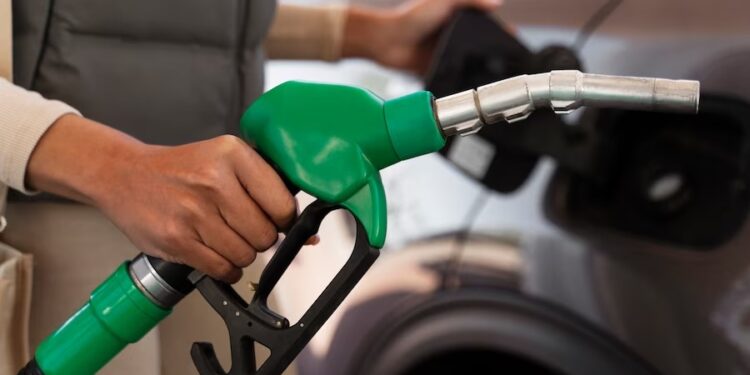
The recent decline in petrol prices across Nigeria may encourage many motorists and small business owners who switched to Compressed Natural Gas (CNG) to return to petrol, according to oil marketers.
Industry operators say the reduction in petroleum product prices is already creating fresh opportunities for marketers and could lead to increased demand at filling stations nationwide.
The latest price adjustment followed a decline in global crude oil prices after a peace agreement between the United States and Iran eased concerns over supply disruptions in the Middle East.
Crude oil prices, which had climbed as high as $120 per barrel during heightened geopolitical tensions, have now fallen to about $77 per barrel following the reopening of the Strait of Hormuz and improved market supply conditions.
As a result, petrol prices in Lagos and surrounding areas have dropped from an average of N1,320 per litre to between N1,199 and N1,245 per litre at retail stations. Prices at major depots have also declined from around N1,275 per litre to between N1,165 and N1,180 per litre.
Speaking on the development, the National Publicity Secretary of the Independent Petroleum Marketers Association of Nigeria (IPMAN), Chinedu Ukadike, said the Dangote Refinery has adjusted its product prices in response to falling international crude oil prices.
According to him, the reduction reflects improved global supply conditions and the refinery’s alignment with prevailing market realities.
Ukadike explained that many Nigerians adopted CNG and Liquefied Petroleum Gas (LPG) alternatives because of the sharp rise in petrol prices over the past year.
He noted that with petrol becoming more affordable, some consumers may reconsider their energy choices and return to conventional fuel.
He added that lower petrol prices would increase competition among alternative energy sources as consumers weigh cost, convenience and accessibility.
The marketer also said the decline would improve the purchasing power of fuel station operators.
According to him, marketers who previously struggled to purchase a single truckload of petroleum products due to high prices can now afford between 10 and 15 trucks, improving product availability and distribution.
Another retail fuel station operator, Mallam Darman Abdullahi, described the price reduction as both an opportunity and a challenge for marketers.
He explained that operators who bought products at higher prices before the recent adjustment are currently facing inventory losses because they must sell at lower market rates.
However, Abdullahi noted that cheaper fuel is likely to stimulate demand as transportation and operating costs decline, leading to increased product consumption.
He said higher sales volumes could improve cash flow and turnover for marketers, although profit margins per litre may not necessarily increase.
According to him, operators with efficient supply chains and better inventory management systems are expected to benefit the most from the changing market conditions.
Ukadike dismissed concerns that marketers could deliberately hoard products in anticipation of future price increases, stressing that competition within the downstream sector would compel operators to sell at prevailing market prices.
He maintained that market forces would continue to determine pricing and product movement across the industry.
The latest development marks a significant turnaround from conditions earlier in the year when marketers expressed concerns over rising fuel costs linked to tensions in the Middle East.
At the time, operators said escalating supply costs had placed severe financial pressure on their businesses, particularly those relying on bank loans to finance product purchases.
They also reported a sharp decline in demand, with some customers drastically reducing their fuel purchases due to rising costs.
Many marketers complained that they needed substantially more capital to purchase petroleum products while earning lower returns amid weak consumer demand.
With prices now trending downward, industry stakeholders expect increased patronage at filling stations, stronger product movement and improved market activity in the coming weeks.
Analysts, however, note that while lower fuel prices may boost consumption and improve business activity, long-term consumer decisions between petrol, CNG and LPG will continue to depend on relative costs, availability and broader economic conditions.