ADVERTISEMENT
  • Africa
  • World
  • Our Shows
    • Entrepreneurship
    • Destination Business
    • 101business TV Show
Business 360 News
  • Home
  • Africa
    • East Africa
    • West Africa
    • South Africa
  • News
    • Feature
  • Economy
    • Maritime
    • Agriculture
      • Agribusiness
    • Energy
      • Electricty
      • Oil
      • Petrol
      • Gas
  • Finance
    • Insurance
    • Tax
    • Real Estate
  • Capital Market
  • Tech
    • ICT
    • Solar Energy
    • Electric Vehicles
    • Blockchain
    • IoT
    • AI
    • EV
  • SMEs
    • Success Stories
    • Start-Ups
    • Entrepreneurship
  • Global Economy
    • UK
    • US
    • Russia
    • CHINA
    • Japan
  • Business 360 Weekly
No Result
View All Result
Business 360 News
No Result
View All Result
Home Economy

Petrol Supply Falls 23% in September as Imports Drop 30% Despite Higher Dangote Output

Joseph Ologeh by Joseph Ologeh
October 26, 2026
in Economy
0

Daily petrol receipts decline to 38.7 million litres as consumption rises to 44.4 million litres, widening the gap between supply and demand.

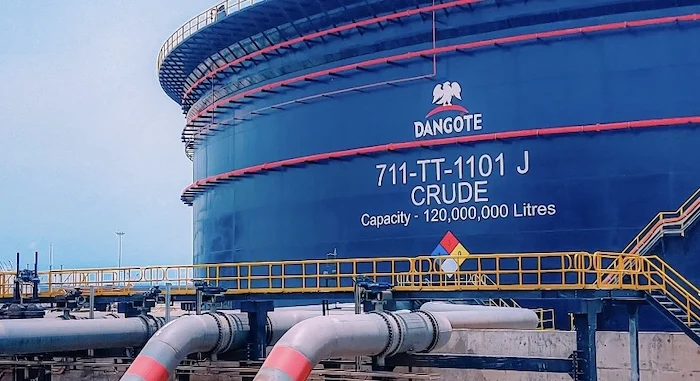
Nigeria’s daily petrol supply fell by 23 per cent in September 2026, as declining domestic deliveries and lower imports reduced the volume of fuel entering the market despite increased production at the Dangote Petroleum Refinery.

The September factsheet of the Nigerian Midstream and Downstream Petroleum Regulatory Authority (NMDPRA), as reported by THISDAY, showed that total petrol receipts declined to 38.7 million litres per day from 50.5 million litres in August.

The drop came as estimated daily consumption increased by seven per cent to 44.4 million litres, leaving a supply gap of approximately 5.7 million litres per day based on the reported figures.

The latest data indicate that Nigeria received 11.8 million fewer litres of petrol daily in September than in the preceding month, a development that coincided with higher pump prices in some cities, where petrol reportedly exceeded ₦1,400 per litre.

Domestic deliveries and imports decline

The NMDPRA figures showed that domestic petrol receipts fell by 21 per cent, from 35.9 million litres per day in August to 28.5 million litres in September.

Imports also declined, dropping by 30 per cent from 14.6 million litres to 10.2 million litres per day.

The simultaneous decline in locally supplied fuel and imports reduced the volume available to marketers, distributors and consumers.

Although the figures point to a tightening supply position, the monthly comparison alone does not establish the precise causes of the decline or explain the price movements in individual locations.

Dangote refinery raises output

The decline in total market receipts occurred despite higher average petrol production at the Dangote Petroleum Refinery.

According to the report, the refinery increased its average daily petrol output by 13 per cent, from 41.94 million litres in August to 47.22 million litres in September.

Its average capacity utilisation also rose from 105.21 per cent to 105.98 per cent, above its stated installed capacity of 650,000 barrels per day.

However, the volume of petrol supplied by the refinery to the domestic market reportedly declined by about one-fifth, while exports increased.

The figures highlight the distinction between refinery production and the amount of fuel delivered to the domestic market. Production can rise without a corresponding increase in local supply if the distribution of output between domestic sales, exports and inventory changes.

Supply gap puts pressure on consumers

The decline in receipts against rising consumption places additional pressure on the downstream petroleum market, where supply availability, distribution costs, foreign-exchange conditions and pricing decisions can influence retail prices.

Higher petrol prices affect household transport expenditure and businesses that depend on road transport, generators and other fuel-intensive operations. Increased logistics costs can also feed into food prices and the cost of moving goods across the country.

The reported September figures will therefore be important for assessing whether the supply contraction was temporary or part of a more sustained change in domestic fuel availability.

For policymakers and market participants, the key issues include ensuring predictable supplies, monitoring domestic deliveries and imports, and improving transparency around refinery production, exports and local distribution.


Tags: #DangoteRefinery#NigeriaEconomy#NMDPRA#PetrolPrices
Previous Post

Fidelity Bank: Fitch Revises Fidelity Bank’s Outlook to Positive as Nigerian Banks Gain Improved Rating Outlooks

Next Post

CBN Engages Nigerian, Chinese Businesses to Ease Cross-Border Payment Barriers

Joseph Ologeh

Joseph Ologeh

Next Post

CBN Engages Nigerian, Chinese Businesses to Ease Cross-Border Payment Barriers

Leave a Reply Cancel reply

Your email address will not be published. Required fields are marked *

  • Trending
  • Comments
  • Latest

FMDQ Admits TSL SPV PLC ₦12.00 billion Series 1 Guaranteed Fixed Rate Infrastructure Bond to its Platform

March 11, 2021

NIBSS Downtime Causes Delays in Electronic Transactions, Fintechs Alert Customers

June 7, 2024

Asian Stocks Hit Record High as US Tech Rebound Lifts Market Sentiment

February 10, 2026

Nigeria’s Pension Assets Hit N28 Trillion in January 2026 Amid Steady Growth

March 6, 2026

‘The existence of a production hub in Nigeria will go a long way for the Fashion Industry’. FUNMI RUFAI LADIPO, President Fashion Designers Association of Nigeria.(FADAN)

25

Goldlink’s restructures board

10

Airtel Africa Plc gets admitted to the NSE Main Board

6

Stallion Tank Farm resumes operations

3

Global Stocks Recover as Oil Retreats From Six-Month Highs on Iran Hopes

October 27, 2026

Tax Ombud Warns Revenue Agencies Against Multiple Taxation, Illegal Levies

October 27, 2026

NALPGAM Adopts Operational Safety Template to Strengthen Nigeria’s LPG Sector

October 27, 2026

Nigerian Households Spend Up to 120% of Income on Food, Oyedele Says

October 27, 2026
Business 360 News

Business 360 News is a Business and Financial News Platform with an SMEs drive. Published by 360 Network Limited, and created with the aim of disseminating unbiased business stories to readers within and outside Nigeria, providing in-depth analysis of our stories from a critical perspective against the backdrop of realities, actualities, objectivity and balance.

Follow Us

Browse by Category

  • Africa
  • Agribusiness
  • Agriculture
  • AI
  • Art
  • Arts
  • Aviation
  • Banking
  • Blockchain
  • Business 360 Weekly
  • Business news
  • Business Travels
  • Capital Market
  • CHINA
  • Corporate
  • Cryptocurrency
  • Destination Business
  • East Africa
  • Economy
  • Education
  • Electric Vehicles
  • Electricty
  • Energy
  • Entertainment
  • Entertainment
  • Entrepreneurship
  • EV
  • Fashion
  • Fashion
  • Feature
  • Finance
  • Gas
  • Global Economy
  • Health
  • Hospitality
  • ICT
  • Insurance
  • IoT
  • Japan
  • Lifestyle
  • Luxury
  • Maritime
  • Meetings
  • Mortgage
  • News
  • NGOs
  • Oil
  • Petrol
  • Political Economy
  • politics
  • Real Estate
  • Real Estate
  • SMEs
  • Society
  • Solar Energy
  • South Africa
  • Sports
  • Start-Ups
  • Stocks
  • Success Stories
  • Tax
  • Tech
  • Tourism
  • Transportation
  • UK
  • Uncategorized
  • US
  • West Africa
  • World

Recent News

Global Stocks Recover as Oil Retreats From Six-Month Highs on Iran Hopes

October 27, 2026

Tax Ombud Warns Revenue Agencies Against Multiple Taxation, Illegal Levies

October 27, 2026
  • Africa
  • World
  • Our Shows

© Business 360 News - Business, Finance And SMEs News | Design by Manifest!

No Result
View All Result
  • Home
  • Africa
    • East Africa
    • West Africa
    • South Africa
  • News
    • Feature
  • Economy
    • Maritime
    • Agriculture
      • Agribusiness
    • Energy
      • Electricty
      • Oil
      • Petrol
      • Gas
  • Finance
    • Insurance
    • Tax
    • Real Estate
  • Capital Market
  • Tech
    • ICT
    • Solar Energy
    • Electric Vehicles
    • Blockchain
    • IoT
    • AI
    • EV
  • SMEs
    • Success Stories
    • Start-Ups
    • Entrepreneurship
  • Global Economy
    • UK
    • US
    • Russia
    • CHINA
    • Japan
  • Business 360 Weekly

© Business 360 News - Business, Finance And SMEs News | Design by Manifest!