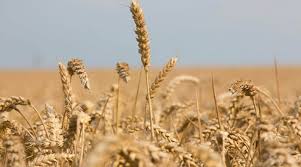
Nigerian breakfast tables are once again feeling the impact of rising global wheat prices as the main variety used in bread production hits its highest level in nearly two years.
The price surge is linked to growing concerns over the supply of Hard Red Winter Wheat, a key wheat type widely used by flour millers around the world.
Industry analysts say a mix of adverse weather conditions and geopolitical tensions has created a “perfect storm” that is placing pressure on wheat supply and raising costs for import-dependent countries such as Nigeria.
The situation has become particularly challenging because wheat planting in the United States has fallen to its lowest level since 1919 for the 2026–2027 growing season.
Many American farmers have shifted millions of acres of farmland away from wheat cultivation toward more profitable crops like soybeans and corn. At the same time, persistent drought conditions in the Great Plains are threatening yields as winter wheat emerges from dormancy.
Nigeria remains one of the world’s largest wheat importers, with demand projected to reach a record 7.2 million tonnes this year. The country is also the fifth-largest global market for US wheat exports.
In 2025 alone, US wheat exports to Nigeria were valued at about $465 million, with Hard Red Winter wheat accounting for the majority of shipments.
However, the biggest combined supplier to Nigeria is the European Union, which exports lower-priced wheat mainly from countries such as Latvia, Lithuania, and Poland for blending by Nigerian millers.
Because Nigeria produces less than five per cent of its wheat locally, increases in futures prices at major US trading hubs like Chicago or Kansas City quickly translate into higher costs for flour millers.
If US wheat prices continue to rise, Nigerian importers may shift purchases to suppliers in Australia or the Black Sea region. However, those regions are also experiencing weather-related production risks, which could limit supply.
Shipping costs are also adding to the pressure. Ongoing tensions around the Strait of Hormuz have increased shipping insurance premiums and disrupted fertilizer shipments, raising the replacement cost of wheat for importers.
The ripple effect is expected to reach local bakeries across Nigeria.
Many bakeries may adopt strategies such as “shrinkflation,” where loaf sizes are reduced while prices remain the same, or introduce direct price increases to cope with rising flour costs.
Recent market data shows that Hard Red Winter wheat prices climbed by up to 1.1 per cent on Friday, pushing weekly gains to nearly six per cent—the highest increase since June 2024.
The wheat variety is mainly grown in the US Plains region, where prolonged dry weather is increasingly damaging crops.
According to the United States Department of Agriculture, the share of winter wheat rated in good or excellent condition dropped to 30 per cent in the week ending April 19. This compares with 45 per cent a year earlier and 34 per cent the previous week.
The National Drought Mitigation Center also reported that around 70 per cent of winter wheat areas are currently affected by drought, up from 50 per cent recorded in February.
Industry group Kansas Wheat noted that March and April are critical months for wheat development. The organisation warned that crops are growing faster due to the lack of moisture, a factor that could further reduce output.
The rising prices are also raising concerns about broader global food inflation as extreme weather conditions and higher energy and fertilizer costs linked to the conflict in Iran continue to disrupt agricultural supply chains.
For Nigeria, where bread remains a staple food for millions, sustained increases in wheat prices could translate into higher food costs in the coming months.