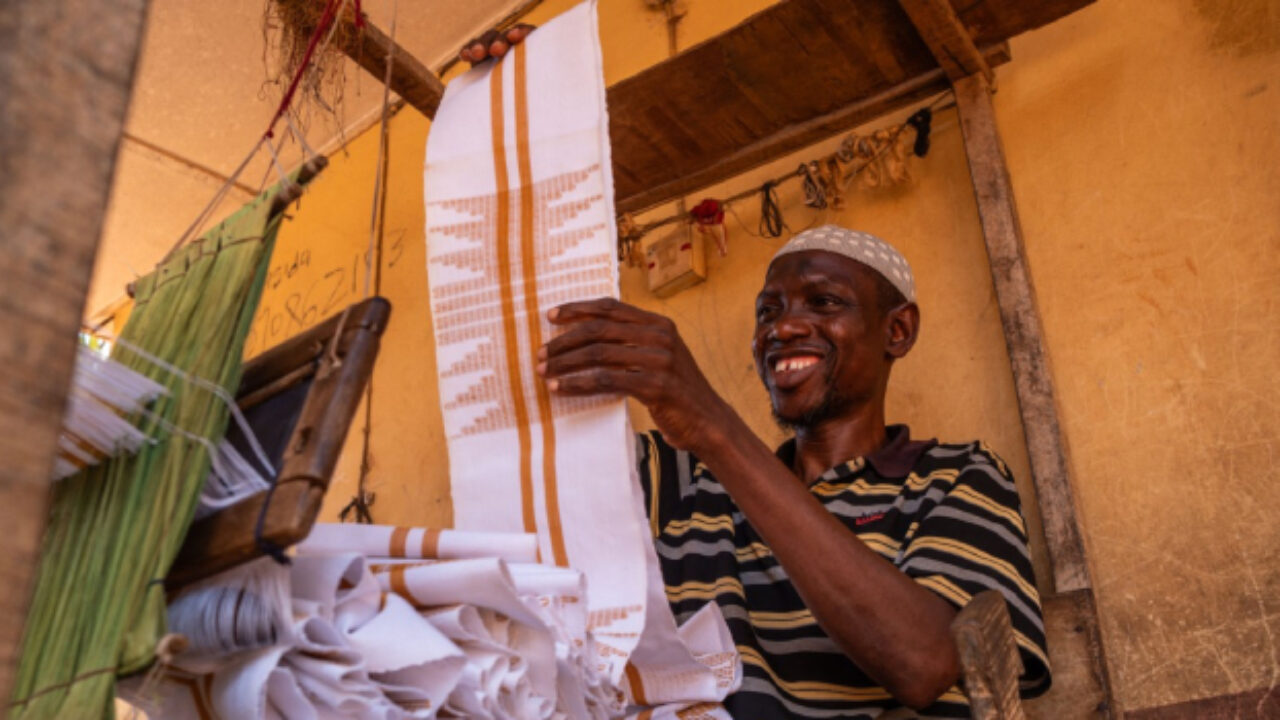
The Nigerian Senate has called for a total ban on the importation of textile products into the country as part of efforts to revive the struggling domestic textile industry.
The resolution followed the adoption of a motion sponsored by Senator Sunday Katung (Kaduna South) and co-sponsored by several lawmakers, including Senators Natasha Akpoti-Uduaghan (Kogi Central), Adams Oshiomhole (Edo North), Ibrahim Khalid (Kaduna North), Mohammed Tahir Monguno (Borno North), and Mustapha Khabeeb (Jigawa South-West).
Presenting the motion, Senator Katung recalled that Nigeria’s textile industry was once a major employer of labour, noting that the first large textile mill was established in Kaduna in 1957.
He added that the sector experienced significant growth in the 1960s and 1970s, with Nigeria operating about 167 textile mills by the late 1970s and 1980s, employing an estimated 500,000 workers. Kaduna, he noted, was widely regarded as the country’s “Textile City.”
Lawmakers during the debate emphasised the need for urgent intervention to restore the sector’s lost glory and address rising unemployment.
Senator Jibrin Isah (Kogi East) urged the National Assembly to ensure proper follow-through on the resolution, warning against allowing it to “die like other motions.”
“This motion is very important, but I don’t want it to die like other motions… we have to sit down with the ministry and tell them how this thing should go,” he said.
Senator Ogoshi Onawo (Nasarawa South) argued that reviving the textile industry would help tackle unemployment and reduce insecurity by providing jobs for young Nigerians.
He noted that youth joblessness remains a major driver of social instability in parts of the country.
Supporting the motion, Senator Adamu Aliero (Kebbi Central) called for a total ban on textile imports, arguing that weak protection and widespread smuggling had devastated local manufacturers.
“If we really want to revive the sector, the only solution is a total ban,” he said.
The Senate’s resolution reflects growing legislative interest in industrial revival policies aimed at boosting local production, creating employment, and reducing Nigeria’s dependence on imports.
However, implementation of the proposed ban will require collaboration with relevant ministries and agencies responsible for trade, customs, and industrial regulation.