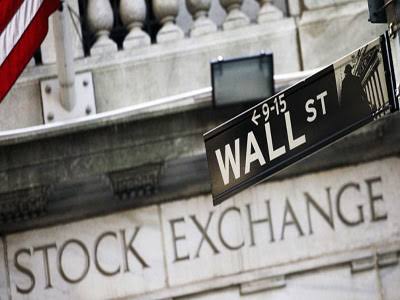
Wall Street closed lower as renewed increases in oil prices and US Treasury yields put pressure on equities, highlighting the continued influence of Middle East tensions and inflation expectations on global markets.
The S&P 500, Dow Jones Industrial Average and Nasdaq Composite all ended Wednesday’s trading session lower, with weakness in major technology companies including Alphabet and Amazon contributing to the decline.
At the same time, oil prices jumped almost 4 per cent following comments by Iranian President Masoud Pezeshkian at the United Nations, intensifying investor concerns about the economic consequences of the conflict and the security of energy supplies.
Treasury Yields Climb
Bond markets also came under renewed pressure.
The US 10-year Treasury yield climbed above 5 per cent, reaching its highest level since 2007, while the two-year yield touched its highest point since 2024.
The rise in yields followed data indicating that US business activity accelerated to its strongest level in more than five years in September.
While stronger business activity can signal economic resilience, investors are also assessing whether persistent growth combined with elevated energy costs could keep inflationary pressure high and influence the Federal Reserve’s interest-rate decisions.
Higher bond yields can create pressure for equities because they increase borrowing costs and provide investors with more competitive returns from fixed-income assets.
Energy Stocks Gain
Energy companies were among the beneficiaries of the oil-price increase, with the S&P 500 energy sector advancing.
The contrasting performances illustrate how the Middle East conflict is affecting different parts of the market.
Higher crude prices can improve earnings expectations for oil producers while increasing costs for transportation companies, manufacturers and consumers.
With economic data relatively strong and geopolitical risks remaining elevated, markets are likely to remain sensitive to developments in oil supply and expectations surrounding US monetary policy.