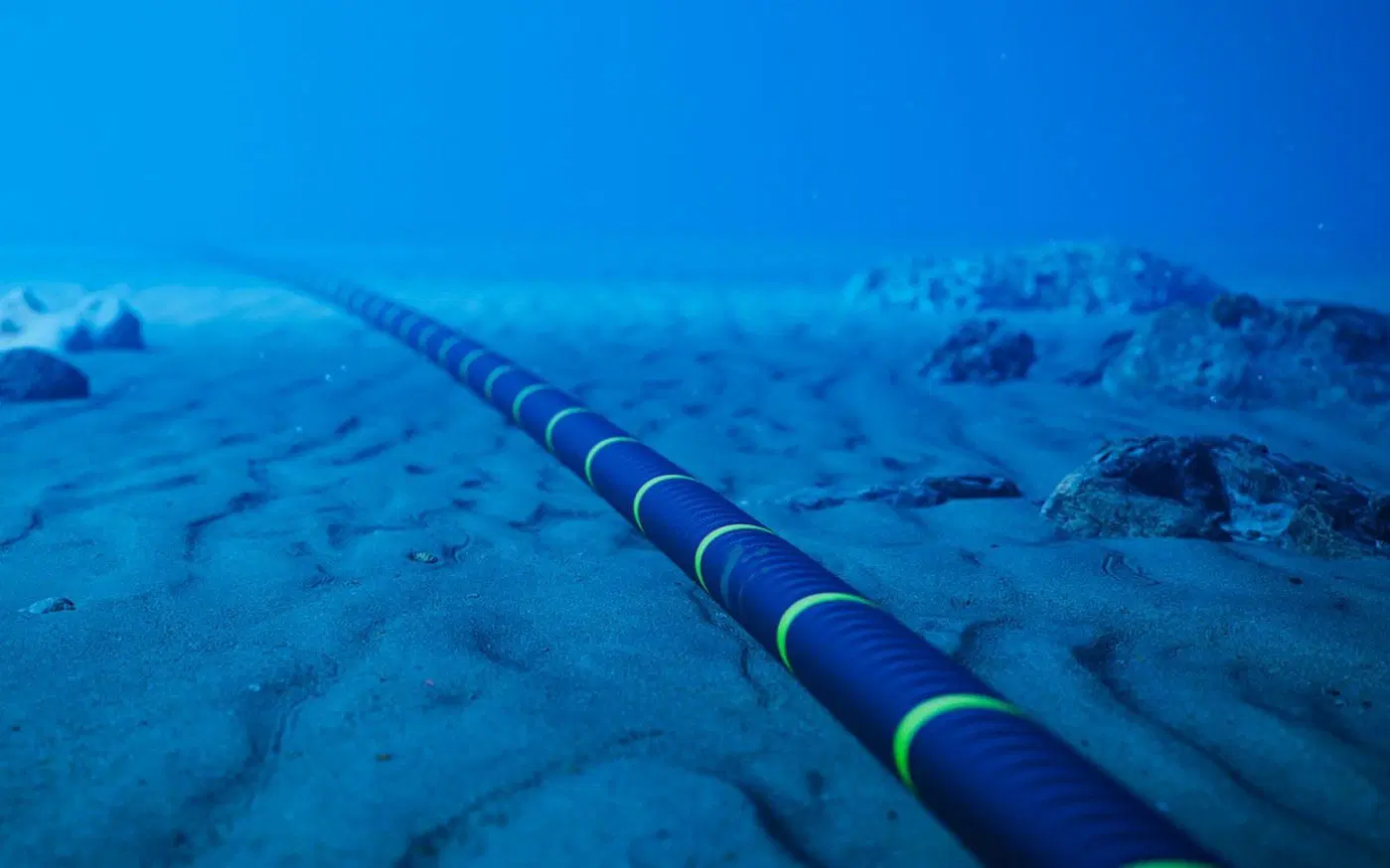
The West African Telecommunications Regulators Assembly has warned that recurring submarine cable disruptions are exposing a major vulnerability in West Africa’s rapidly expanding digital economy, estimated to be worth about $150 billion.
The Executive Secretary of WATRA, Aliyu Aboki, raised the concern during the International Submarine Cable Resilience Summit held in Porto, Portugal.
Aboki said the region’s existing telecommunications network capacity lacks the level of resilience required to support a fast-growing digital ecosystem.
He specifically referred to the disruptions recorded off the coast of West Africa in March 2024, which affected digital economic activities across several countries in the sub-region.
Despite multiple international submarine cable systems serving the region—including West Africa Cable System, Africa Coast to Europe Cable and MainOne—the outage significantly weakened internet connectivity for several days.
The disruption slowed banking operations and affected cloud-dependent businesses across multiple countries, highlighting the region’s dependence on a limited number of critical infrastructure systems.
According to Aboki, internet traffic in affected countries dropped by more than 50 percent immediately after the incident. Restoration of services also took several days in some locations, revealing both physical repair limitations and administrative delays.
For West Africa, which has a combined gross domestic product estimated at over $800 billion, the economic consequences of such disruptions remain substantial.
Globally, more than 95 percent of internet traffic is transmitted through submarine cables, meaning outages can lead to failed digital transactions, reduced productivity and weakened investor confidence.
“The lesson was immediate,” Aboki said. “Submarine cables are not simply telecommunications infrastructure. They are foundational to economic activity.”
He explained that while cable faults worldwide are commonly caused by fishing activity, ship anchoring or seabed movement, the March 2024 disruption was unusual because multiple cables serving the region were damaged simultaneously.
This situation overwhelmed existing backup systems and worsened connectivity challenges across the sub-region.
Aboki also pointed to what he described as a structural mismatch in the region’s digital governance framework.
According to him, while cable networks operate on a regional scale, regulatory and administrative systems remain largely national. Differences in permitting processes, emergency response mechanisms and cable protection rules across countries often delay repair efforts and coordination.
He added that bureaucratic bottlenecks—such as customs clearance procedures, port access restrictions and cross-border coordination challenges—can slow down restoration work when outages occur.
Aboki warned that these uncertainties could discourage investment in digital infrastructure.
“For investors, these uncertainties translate directly into a higher cost of capital,” he said.
He stressed the need for stronger regional coordination and policy alignment to improve the resilience of submarine cable infrastructure and safeguard West Africa’s growing digital economy.