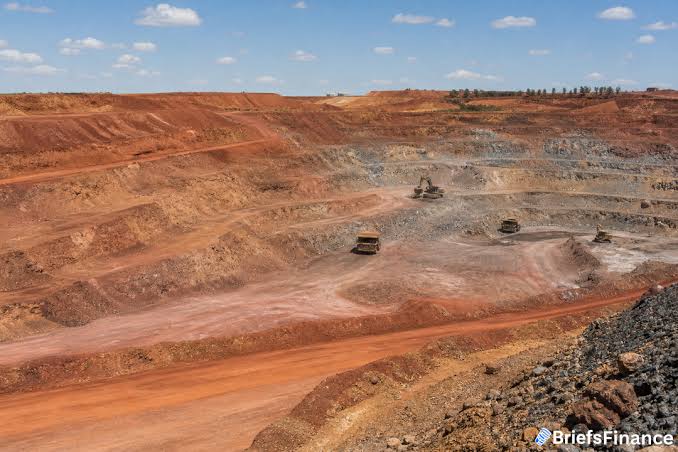
Zambia’s ambition to expand copper production could attract new investment and strengthen export earnings. However, the country’s ability to turn that opportunity into wider prosperity depends on reliable electricity, skilled workers and stronger local supply chains.
The government wants annual copper output to reach three million metric tonnes by 2031. That target would represent a major expansion of an industry that already plays a central role in the economy.
Higher production would not automatically deliver more income for every household. The broader benefits will depend on how mining connects with employment, domestic businesses and public investment.
Zambia sets an ambitious copper target
The Zambia Development Agency has promoted investment in minerals and energy as the country works towards its 2031 production goal.
The target signals the government’s intention to make mining an engine of expansion. It also places pressure on infrastructure, exploration and the investment environment to keep pace.
World Bank analysis offers a more cautious estimate. With reforms, it suggests annual copper production could reach a maximum of around 1.5 million tonnes by 2030, compared with about 700,000 tonnes in 2023.
The assessment identifies licensing, security of investment, better geological information and infrastructure as important conditions. Its estimate is a scenario based on those conditions, rather than a guarantee of future output.
Global demand strengthens the opportunity
Copper is used in electricity networks and a range of equipment associated with electrification. As countries expand and upgrade those systems, demand creates opportunities for established producers such as Zambia.
The International Energy Agency’s analysis shows that electricity grids alone could require substantially more copper over time. The size of that increase depends on which energy policies and investment pathways countries follow.
For Zambia, this creates an opening to attract long-term investment. It does not remove the risks associated with commodity markets or the practical difficulties of developing mines.
A favourable market can improve the case for a project. Companies still need viable deposits, financing, permits, infrastructure and a credible operating plan before production can rise.
Electricity is a central constraint
The mining expansion is closely tied to Zambia’s power outlook. Mines and processing facilities need dependable electricity, while other businesses and households also require better service.
The World Bank’s economic work on Zambia identifies reliable, affordable energy as essential for increasing copper output and supporting manufacturing. It warns that inadequate supply can delay investment and hold back productive employment.
This makes energy investment part of the mining strategy, rather than a separate concern. New production capacity has limited value if operations cannot obtain the power needed to use it.
At the same time, supplying mines alone would not address the full development challenge. A stronger electricity system needs to support businesses outside mining as well.
Skills will influence who gets the jobs
The World Bank has also examined whether Zambia’s universities and technical training institutions can supply the workers needed for a larger copper industry.
Its research considers jobs across production, processing and activities that turn minerals into finished or intermediate products. The emphasis is on preparing workers for the specific tasks an expanding industry would require.
That matters because investment announcements do not establish who will secure the resulting opportunities. Employers need suitable skills, while jobseekers need training that matches actual demand.
Closer links between education providers and industry could help reduce that mismatch. Such links would need to extend beyond a single mine or construction phase.
Local businesses can broaden the gains
The benefits of copper expansion could also reach firms supplying equipment, transport, maintenance and other services. These connections offer a route for economic activity beyond direct mine employment.
World Bank analysis points to opportunities in products such as wires, cables and transformers, alongside stronger local suppliers.
However, those industries would need their own competitive advantages. Access to copper does not eliminate requirements for electricity, finance, skills and customers.
Zambia’s progress will therefore need to be measured in more than tonnes extracted. Completed projects, dependable power, local business participation and durable jobs will show whether the copper expansion is producing benefits across the economy.