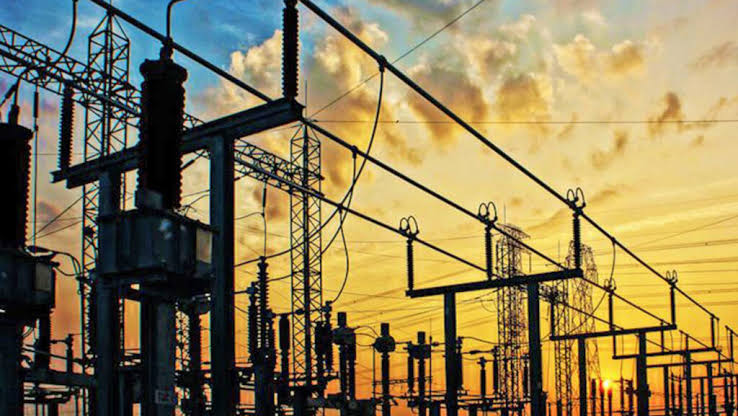
Nigeria’s electricity supply crisis could persist unless the Federal Government and industry operators address outstanding gas debts estimated at ₦639 billion, alongside structural weaknesses affecting the country’s power generation and transmission systems.
Industry stakeholders raised the concerns at the sixth annual conference of the Power Correspondents Association of Nigeria (PCAN) in Abuja, warning that the failure to establish a sustainable payment framework for gas suppliers was placing additional pressure on electricity generation.
They argued that persistent financial obligations to gas producers, inadequate investment in domestic gas production and weak commercial arrangements across the electricity value chain were limiting the capacity of power plants to deliver reliable electricity.
The stakeholders also identified insufficient transmission infrastructure and poor coordination among operators as major obstacles to improving electricity supply, despite successive government interventions in the sector.
The concerns come amid renewed electricity disruptions across several parts of the country, with reduced generation forcing distribution companies to ration available power among customers.
On November 5, the Nigerian Independent System Operator attributed a decline in national grid generation to inadequate gas supply to thermal power stations and reduced water inflows into hydroelectric reservoirs.
The combination of the two factors reportedly constrained electricity production, resulting in shorter supply hours and increased load shedding across distribution networks.
However, the Nigerian National Petroleum Company Limited subsequently stated that its gas transportation network remained available, arguing that gas production, commercial supply arrangements and actual deliveries to power stations were separate issues that required closer examination.
The differing positions have renewed attention on the relationship between gas producers, suppliers, power generation companies and other participants in the electricity value chain.
Gas-fired power plants account for a significant share of Nigeria’s electricity generation, making the availability and affordability of natural gas critical to the stability of the national grid.
Stakeholders warned that without a dependable payment mechanism, gas suppliers could remain reluctant to commit additional resources to production and delivery, further exposing power generation companies to supply constraints.
They also stressed that the country’s ambition to build a $1 trillion economy by 2030 would be difficult to achieve without reliable and affordable electricity to support manufacturing, commercial activities and industrial expansion.
The conference therefore called attention to the need for coordinated interventions that address outstanding debts, improve gas supply arrangements, attract investment and strengthen transmission infrastructure.
The ₦639 billion gas debt challenge highlights the financial interdependence of Nigeria’s energy industry and the need for a sustainable commercial framework capable of ensuring that payments move consistently across the electricity supply chain.