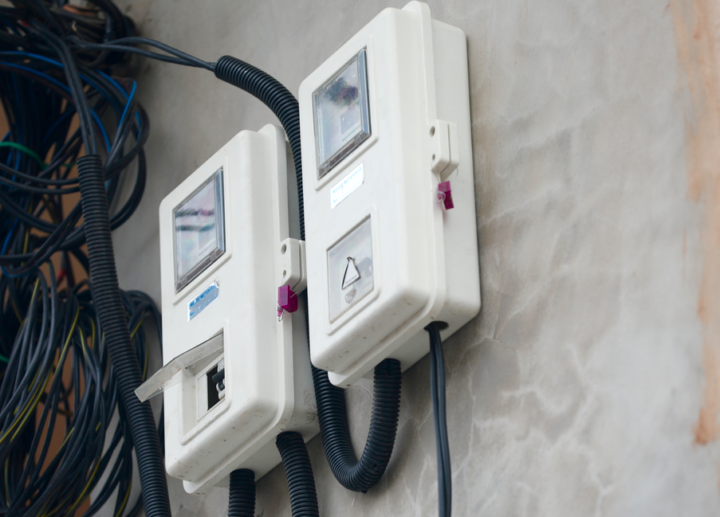
The Federal Competition and Consumer Protection Commission (FCCPC) has warned electricity distribution companies (DisCos) and other operators in the power sector against transferring the cost of replacing obsolete prepaid meters to consumers.
The Commission also called for stronger collaboration among regulators to improve consumer protection in Nigeria’s electricity industry.
Executive Vice Chairman and Chief Executive Officer of the FCCPC, Mr. Tunji Bello, gave the warning on Thursday in Abuja during a stakeholder engagement on consumer protection and regulatory cooperation in Nigeria’s electricity sector.
The meeting was attended by the Nigerian Electricity Regulatory Commission (NERC), the Nigerian Electricity Management Services Agency (NEMSA), and State Electricity Regulatory Commissions (SERCs).
Bello said the implementation of the Electricity Act 2023, which empowers states to establish their own electricity regulatory commissions and oversee intrastate electricity markets, has made cooperation among regulators more important.
He said consumers expect a seamless electricity system that protects their interests regardless of which agency has jurisdiction.
According to him, electricity users are concerned about receiving reliable service rather than understanding which regulator is responsible for a particular issue.
Bello explained that the FCCPC’s role complements those of sector regulators, noting that NERC provides sector-specific regulation, NEMSA enforces technical standards, while state commissions oversee intrastate electricity markets.
He said the agencies have different but complementary responsibilities aimed at ensuring consumers receive timely and effective protection.
The FCCPC boss revealed that one of the Commission’s first major interventions after he assumed office in July 2024 involved concerns over the planned replacement of obsolete Unistar prepaid meters used by customers of one of the electricity distribution companies.
He said many consumers feared they would be required to pay for new meters, be subjected to estimated billing, or experience disruptions in electricity supply during the replacement exercise.
To address the concerns, Bello said the FCCPC convened a meeting involving NERC, NEMSA and all electricity distribution companies to ensure the replacement programme complied with existing regulations and adequately protected consumers.
According to him, the engagement resulted in the suspension of the replacement exercise until regulatory requirements were fully met, with the decision jointly endorsed by NERC and NEMSA.
Bello said the final resolution was guided by NERC’s Order on the Structured Replacement of Faulty and Obsolete End-user Customer Meters.
He explained that the order guarantees that consumers will not pay for replacing obsolete meters, will not experience interruptions in electricity supply during the exercise, and will not be subjected to estimated billing because of implementation delays.
He stressed that consumers should not be disadvantaged because electricity infrastructure has reached the end of its useful life through no fault of their own.
Bello described the intervention as an example of the benefits of inter-agency collaboration, adding that consumer protection is more effective when regulators coordinate their actions.
He said effective consumer protection should focus on preventing consumer harm rather than merely resolving disputes after they occur.
According to Bello, early identification of risks, prompt regulatory engagement and coordinated action will strengthen public confidence in the electricity sector while reducing disputes.
He urged electricity distribution companies and other operators in the power value chain to comply with regulatory requirements, handle customer complaints fairly and operate transparently.
Bello also encouraged electricity consumers to use established complaint resolution channels, engage regulators in good faith and fulfil their responsibilities while asserting their rights.
He expressed confidence that stronger partnerships among regulatory institutions would improve accountability, enhance service delivery and promote a more responsive, competitive and consumer-focused electricity sector.
Bello noted that every regulatory decision has a direct impact on millions of Nigerians, including households, small businesses, hospitals, schools and manufacturers that rely on reliable electricity to support their daily activities and economic productivity.