The Federal Government has announced plans to begin phasing out electricity subsidies from 2027 as part of broader reforms aimed at restoring financial stability in Nigeria’s struggling power sector.
Minister of Power, Joseph Tegbe, disclosed the plan during a Media Stakeholders Session in Lagos on Friday, stating that the gradual withdrawal of subsidies would help return the electricity market to commercial viability while ensuring Nigerians continue to benefit from improved power supply.
However, the government ruled out any immediate increase in electricity tariffs.
“There is no policy by this administration to increase electricity tariffs beyond its current level,” Tegbe said.
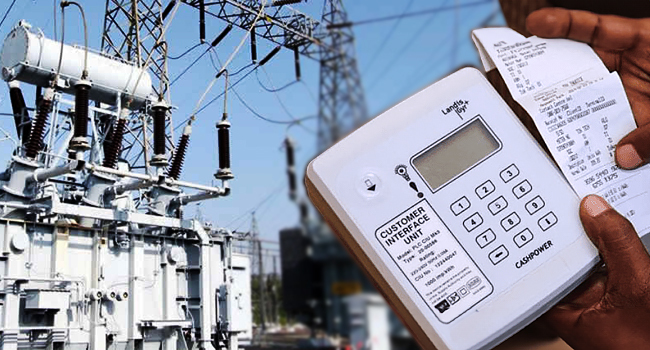
He explained that the government’s immediate priorities are to improve electricity supply, accelerate universal metering and ensure consumers pay only for the electricity they actually consume.
The planned subsidy phase-out comes amid growing financial challenges within the Nigerian Electricity Supply Industry (NESI), where subsidy obligations and unpaid gas debts have created a severe liquidity crisis.
Government liabilities linked to electricity subsidies and outstanding gas payments have now exceeded N2.7 trillion, putting additional pressure on the sustainability of the power sector.
Figures from the Nigerian Bulk Electricity Trading Plc (NBET) showed that the Federal Government’s unpaid electricity tariff shortfall reached N1.78 trillion within 11 months.
The sector is also facing significant gas supply-related obligations, with debts owed to gas suppliers under the Gas Stabilisation Fund rising to N986.45 billion.
The government said the planned reforms are designed to address these structural challenges while creating a more sustainable electricity market.
Tegbe stressed that improving power availability, ensuring accurate billing through metering and strengthening the financial position of sector operators would remain central to the administration’s power strategy.
The phased subsidy removal is expected to reduce government’s financial burden over time and encourage greater investment across the electricity value chain.