The Federal Government has raised its electricity generation ambition to 20,000 megawatts, moving beyond its long-standing 10,000MW target as it seeks to expand power infrastructure, attract private investment and address persistent electricity supply challenges.
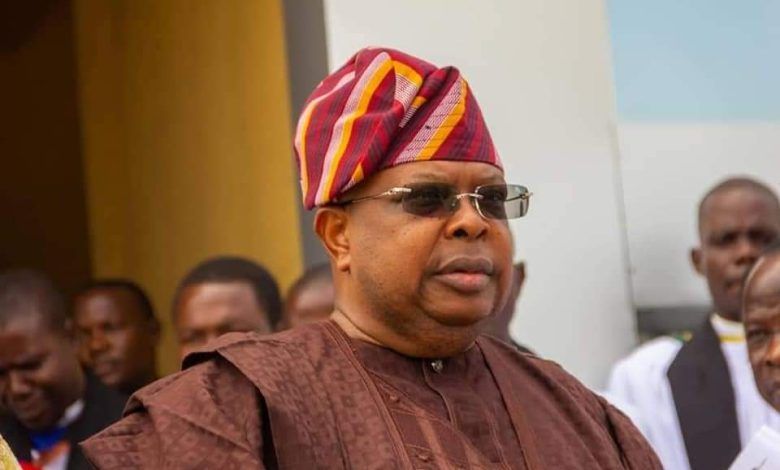
The Minister of Power, Joseph Tegbe, disclosed this during a television interview, explaining that several generation projects under consideration could significantly increase the country’s electricity production capacity.
In a statement issued on Tuesday by his media aide, Tegbe said the government was engaging investors and development partners to accelerate the implementation of projects capable of moving Nigeria closer to the new generation target.
He also disclosed that Aliko Dangote, Africa’s richest businessman, had expressed commitment to supporting the administration’s ambition to increase electricity generation to 20,000MW.
According to the minister, hydropower development will play a significant role in the government’s expansion strategy, particularly through the development of the Mambila Hydropower Project, which has the potential to generate approximately 3,000 megawatts.
The government is also looking towards the development of 21 dams as part of its broader strategy to unlock Nigeria’s hydropower potential and diversify electricity generation sources.
The proposed projects are expected to complement existing thermal power generation infrastructure and improve the country’s ability to deliver more reliable electricity to households, commercial establishments and industrial operators.
Tegbe maintained that expanding electricity generation was central to the administration’s broader economic development agenda, particularly as inadequate power supply continues to constrain manufacturing, small businesses and industrial productivity.
Nigeria has struggled with electricity shortages despite its substantial energy resources, with inadequate generation, transmission limitations, distribution constraints and infrastructure deficits continuing to affect the performance of the electricity value chain.
The minister’s announcement highlights the government’s intention to address the problem through increased generation capacity and stronger private sector participation.
However, achieving the 20,000MW ambition will also require corresponding investments in transmission and distribution infrastructure to ensure that additional electricity generated can be evacuated and delivered efficiently to consumers.
The success of the programme will therefore depend on effective project execution, financing arrangements, regulatory certainty and coordination across the electricity industry.