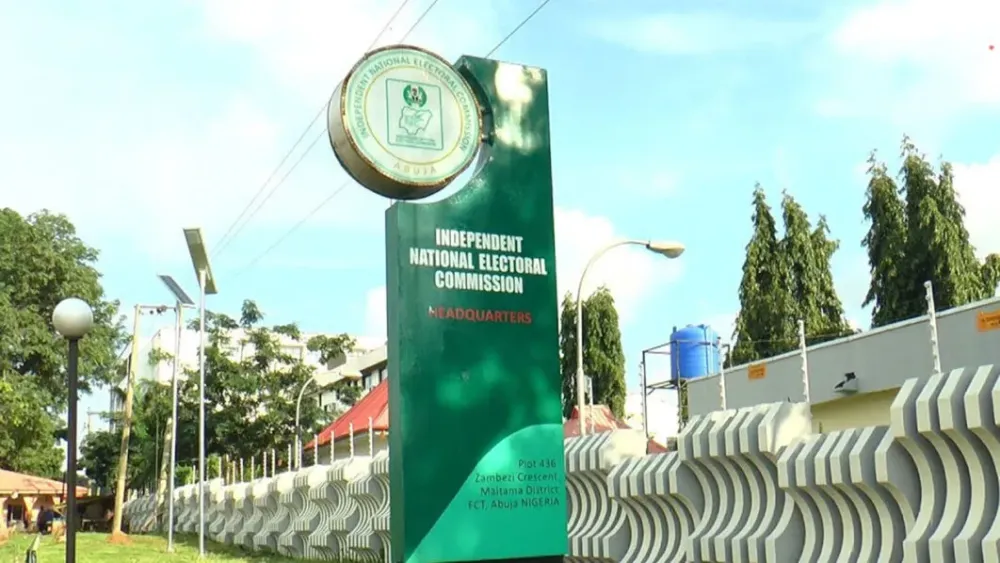
The Independent National Electoral Commission (INEC) has set a target of ensuring polling units are ready by 7:30 a.m. during the 2027 general elections, as the commission intensifies preparations to address logistical problems that have affected previous voting exercises.
The operational target was reported on October 7 following comments by an INEC official, Ifogah, who said Commission Chairman Joash Amupitan had emphasised the importance of ensuring that election personnel and materials arrive on time.
The development comes as electoral stakeholders continue to examine the logistical, financial and administrative arrangements required for the elections.
Early Deployment Becomes Priority
Election-day logistics are a major component of electoral administration.
Officials must be deployed to polling locations, sensitive and non-sensitive materials must arrive securely, and necessary equipment must be available before voting begins.
Delays in any of these processes can disrupt schedules and create difficulties for voters.
INEC’s readiness target is intended to address such challenges by placing greater emphasis on early operational preparation.
The 7:30 a.m. target refers to polling-unit readiness and should not automatically be interpreted as the official time voting will begin.
Logistics Can Influence Voter Experience
For voters, the efficiency of election-day arrangements can influence the voting experience.
When officials arrive late or essential materials are unavailable, voters may face longer waiting periods.
Such delays can become particularly difficult in areas with large numbers of registered voters.
Effective planning therefore requires coordination across transportation, personnel deployment, security and equipment management.
INEC’s operational target places attention on the practical details necessary to conduct elections across Nigeria’s extensive network of polling locations.
Stakeholders Demand Procurement Transparency
Beyond polling-unit readiness, electoral stakeholders have raised concerns about the transparency of preparations.
The Policy and Legal Advocacy Centre (PLAC) has identified procurement transparency as an important challenge facing INEC.
According to reporting published on October 7, PLAC representative Nwankwo argued that adequate election funding must be accompanied by public confidence in how resources are managed.
The concern reflects the substantial financial and logistical requirements involved in organising nationwide elections.
Election administration requires procurement of equipment, materials and services.
Transparent procurement procedures can help strengthen public confidence that resources are being used appropriately.
Funding Alone Cannot Guarantee Efficiency
Adequate financing is essential for elections, but funding does not automatically resolve operational challenges.
Procurement must be completed on time, equipment must be tested and personnel must receive appropriate training.
Transportation arrangements also need to account for Nigeria’s geographical and infrastructure differences.
The combination of financial planning and operational execution will therefore be important to achieving the commission’s readiness target.
Parties and Voters Expect Credible Process
Political parties have also begun intensifying preparations for the 2027 elections.
As competition increases, attention is likely to focus on INEC’s ability to administer the process consistently and transparently.
Public confidence depends not only on the final declaration of results but also on the procedures used throughout the election.
That includes voter registration, candidate nomination, polling-unit operations, collation and dispute-resolution processes.
Readiness Target Faces Practical Test
INEC’s commitment to early polling-unit preparation provides a measurable operational objective.
However, achieving it nationwide will require detailed planning and coordination.
The commission will need to ensure that its personnel, equipment and transportation arrangements are capable of meeting the stated target across different locations.
For voters and political parties, the effectiveness of those preparations will become clearer as the election approaches.
The latest announcement therefore places renewed attention on an important aspect of electoral credibility: ensuring that voting arrangements are ready when citizens arrive to exercise their rights.