A new documentary is reopening one of Kenya’s most difficult historical questions by tracing how colonial-era land seizures continue to influence ownership, inequality and communities in the country’s fertile central highlands.
“Kikuyu Land,” directed by Kenyan journalist and filmmaker Bea Wangondu and American filmmaker Andrew H. Brown, examines the dispossession of Kikuyu communities during British colonial rule and follows present-day efforts to reclaim ancestral territory.
The documentary combines personal narratives, archival research and testimony to connect historical dispossession with contemporary disputes involving land now controlled by powerful commercial interests.
Colonial Rule Transformed Kenya’s Highlands
During the colonial period, British authorities seized large areas of fertile land in Kenya’s central highlands for European settlers.
Kikuyu families and other African communities were displaced, while agricultural estates and plantations were established on land communities had previously occupied.
Some displaced Africans later worked on the same land as labourers.
The documentary explores how those decisions created patterns of ownership that continued beyond independence.
Mungai’s Fight Makes History Personal
At the centre of the documentary is Mr Mungai, a land claimant seeking justice for property taken from his family.
His struggle transforms a broad historical issue into a personal story about inheritance, memory and restitution.
The film also follows Wangondu’s investigation into her own family’s history.
Her inquiry began partly with questions about land ownership within her family and expanded into a deeper examination of colonial and post-colonial systems.
That personal element prevents Kikuyu Land from treating colonialism merely as a distant historical episode.
Instead, it asks how decisions taken generations ago continue to influence who owns productive land today.
Tea Industry Comes Under Examination
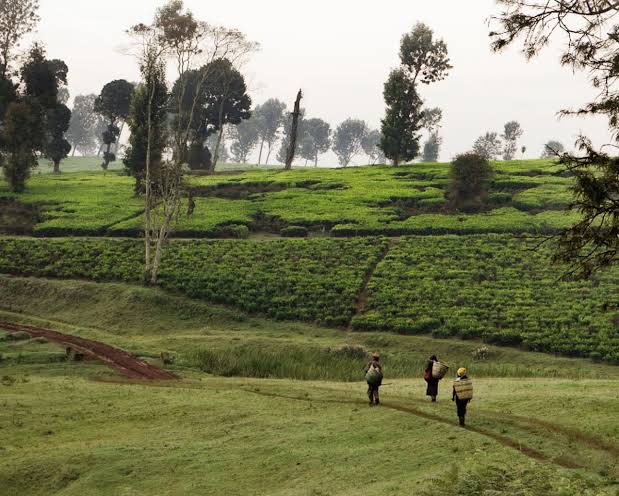
The documentary pays particular attention to Kenya’s tea-growing highlands.
Tea is one of the country’s most recognisable agricultural exports, but the film examines the human and historical circumstances behind some of the plantations producing the commodity.
The documentary links current land disputes with multinational commercial interests and the legacy of colonial-era plantation ownership.
Film Reaches International Audiences
Kikuyu Land made its world premiere at the 2026 Sundance Film Festival, where Wangondu described the project as a story she recognised from the beginning as being fundamentally connected to colonisation.
The documentary subsequently appeared on the international festival circuit.
It has a running time of approximately 94 minutes and was released in cinemas on October 2.
Land Question Remains Contemporary
The importance of Kikuyu Land lies in its insistence that colonial land dispossession is not merely an issue for history books.
Land determines access to agriculture, housing, wealth and inheritance.
When ownership patterns established through historical dispossession survive for generations, they can continue to shape economic opportunity long after formal colonial rule has ended.
By combining Wangondu’s personal investigation with Mungai’s struggle, the documentary asks what meaningful restitution should look like when the people responsible for an original injustice are gone but the economic consequences remain.
That question extends beyond Kenya.
Across Africa, colonial-era land policies continue to influence debates about ownership, inequality and economic power.
Kikuyu Land brings that debate to the screen through the experiences of families still confronting the consequences today.