Africa’s biggest banks have recorded their strongest year on record as improving profitability, economic growth and more favourable currency movements strengthened balance sheets across the continent.
Combined Tier 1 capital among Africa’s Top 100 banks jumped 23 per cent to $155 billion, comfortably exceeding the $126.1 billion recorded in the previous ranking and the former record of $135.3 billion set in 2022.
Total assets also increased from $1.56 trillion to $1.8 trillion, representing growth of approximately 16 per cent.
The performance marks a significant turnaround after several years in which inflation, currency depreciation and weaker economic growth constrained banks’ performance when measured in US dollars.
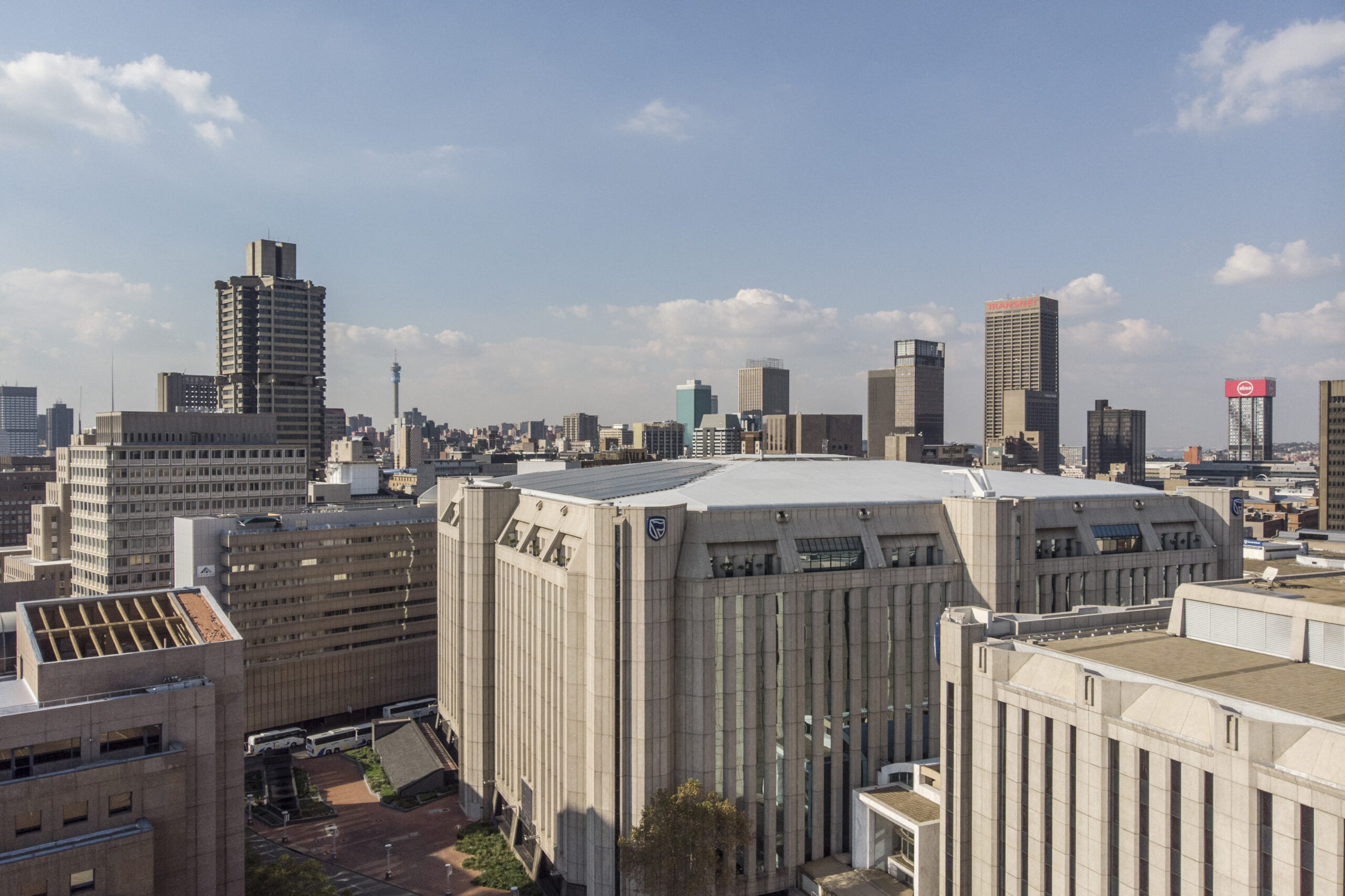
Standard Bank Retains Top Position
South Africa’s Standard Bank retained its position as Africa’s biggest bank by Tier 1 capital.
Its capital increased from approximately $13.2 billion to $15.7 billion, while the bank reported assets of about $217.7 billion and profits of roughly $3.4 billion.
The National Bank of Egypt retained second place, while Morocco’s Attijariwafa Bank remained third.
The rankings demonstrate the continued strength of banking groups from Southern and North Africa.
Nigeria Stages Strong Recovery
Nigerian banks also recorded a substantial improvement after several years in which naira depreciation reduced their dollar-denominated position in continental rankings.
Combined Tier 1 capital among Nigerian lenders increased from approximately $10.3 billion to $15.2 billion.
The improvement comes as banks respond to new capital requirements introduced by the Central Bank of Nigeria.
The recapitalisation exercise has prompted lenders to raise fresh equity, restructure operations and strengthen their balance sheets.
Currency movements also matter significantly because the rankings convert Tier 1 capital into US dollars, meaning exchange-rate changes can alter the relative positions of individual institutions and national banking sectors.
North Africa Remains Capital Leader
North African banks remained the strongest regional group by overall capital, reflecting the scale of major lenders in Egypt and Morocco.
West and Central Africa, however, recorded some of the strongest percentage growth.
That broader recovery could have implications beyond the banking industry.
Banks with stronger capital positions have greater capacity to support lending and absorb financial shocks, although regulatory requirements and individual risk strategies determine how much capital ultimately translates into additional credit.
Stronger Banks Could Support Investment
Africa faces substantial financing requirements across infrastructure, manufacturing, energy, housing and trade.
Commercial banks cannot close those gaps alone, but stronger balance sheets potentially increase their ability to participate in financing productive economic activity.
Capital strength is particularly important when banks seek to fund large infrastructure projects or expand lending while remaining within regulatory requirements.
The rise to $155 billion consequently represents more than a ranking milestone.
It indicates that the continent’s banking sector has regained some of the financial strength lost during recent years of inflation and currency instability.
Africa’s Top 100 banks now hold almost 50 per cent more Tier 1 capital than the $101.6 billion recorded in 2019.
The next test will be whether that stronger capital base can be translated into deeper lending, infrastructure finance, regional trade support and financial inclusion across African economies.