Non-oil trade between Nigeria and the United Arab Emirates (UAE) has increased to $5 billion in 2025, reflecting deepening economic relations between both countries.
The development was disclosed in a statement signed by the Special Assistant on Communication and New Media to the Minister of Foreign Affairs, Dr. Magnus Eze, on Sunday.
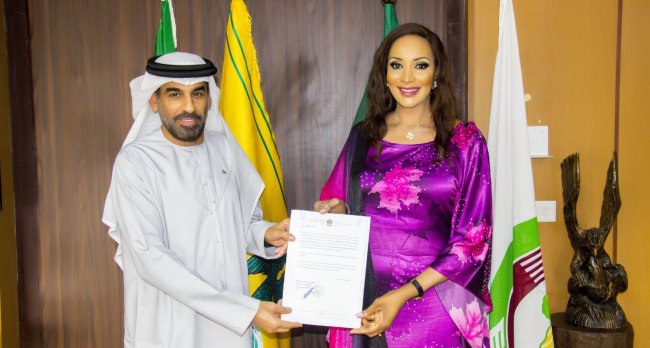
The figure was quoted from the UAE Ambassador to Nigeria, Salem Saeed Al-Shamsi, during a courtesy visit to the Minister of Foreign Affairs, Ambassador Bianca Odumegwu-Ojukwu, in Abuja.
According to the ambassador, non-oil trade between both nations rose from $4.3 billion in 2024 to $5 billion in 2025, driven by increased business activities and strengthened bilateral engagement.
He expressed optimism that trade volume could grow further to about $8 billion by 2027 if current economic cooperation is sustained.
The envoy also announced that First Abu Dhabi Bank (FAB) is preparing to begin operations in Lagos, a move expected to boost financial and investment flows between Nigeria and the UAE.
He further revealed that Etihad Airways would commence flight operations to Abuja later in the year, expanding connectivity and travel options between both countries.
On visa matters, Al-Shamsi said challenges previously faced by Nigerian applicants had been significantly reduced, adding that visa approvals for Nigerian travellers had improved.
He noted that more than 15,000 Nigerians visited the UAE in the past year following the easing of travel restrictions.
The ambassador also stated that the UAE remained committed to supporting Nigeria’s security efforts, particularly in the fight against terrorism, and has consistently issued statements condemning attacks in the country.
During the meeting, Al-Shamsi delivered a formal letter of congratulations from the UAE Deputy Prime Minister and Minister of Foreign Affairs, Sheikh Abdullah bin Zayed Al Nahyan, to the Nigerian Foreign Affairs Minister on her appointment.
In her response, Ambassador Odumegwu-Ojukwu welcomed the progress made in strengthening bilateral relations and improving visa processes between both countries.
She noted that several concerns previously raised had been addressed within a year, particularly in relation to travel documentation and business facilitation.
“I am happy to say that a lot of the issues raised when I was minister of state for foreign affairs have been resolved in less than a year, especially regarding visas,” she said.
Odumegwu-Ojukwu also highlighted the recent signing of the Comprehensive Economic Partnership Agreement (CEPA) between Nigeria and the UAE.
According to her, the agreement is expected to enhance trade, attract foreign investment, and create opportunities for businesses and professionals in both countries.
She reaffirmed Nigeria’s commitment to improving its investment climate, particularly for foreign direct investment from UAE sovereign wealth funds and private sector investors.
The meeting underscored growing economic and diplomatic ties between Nigeria and the UAE, with both countries expressing optimism about future cooperation.