ADVERTISEMENT
  • Africa
  • World
  • Our Shows
    • Entrepreneurship
    • Destination Business
    • 101business TV Show
Business 360 News
  • Home
  • Africa
    • East Africa
    • West Africa
    • South Africa
  • News
    • Feature
  • Economy
    • Maritime
    • Agriculture
      • Agribusiness
    • Energy
      • Electricty
      • Oil
      • Petrol
      • Gas
  • Finance
    • Insurance
    • Tax
    • Real Estate
  • Capital Market
  • Tech
    • ICT
    • Solar Energy
    • Electric Vehicles
    • Blockchain
    • IoT
    • AI
    • EV
  • SMEs
    • Success Stories
    • Start-Ups
    • Entrepreneurship
  • Global Economy
    • UK
    • US
    • Russia
    • CHINA
    • Japan
  • Business 360 Weekly
No Result
View All Result
  • Home
  • Africa
    • East Africa
    • West Africa
    • South Africa
  • News
    • Feature
  • Economy
    • Maritime
    • Agriculture
      • Agribusiness
    • Energy
      • Electricty
      • Oil
      • Petrol
      • Gas
  • Finance
    • Insurance
    • Tax
    • Real Estate
  • Capital Market
  • Tech
    • ICT
    • Solar Energy
    • Electric Vehicles
    • Blockchain
    • IoT
    • AI
    • EV
  • SMEs
    • Success Stories
    • Start-Ups
    • Entrepreneurship
  • Global Economy
    • UK
    • US
    • Russia
    • CHINA
    • Japan
  • Business 360 Weekly
No Result
View All Result
Business 360 News
No Result
View All Result
Home Economy

AfDB: Power Outages Cut Nigerian Firms’ Sales by 3% as Generator Dependence Surges

Victoria Emeto by Victoria Emeto
June 1, 2026
in Economy
0
AfDB Approves €6.5m Investment in Saviu II Fund to Support Tech Start-ups in Francophone Africa

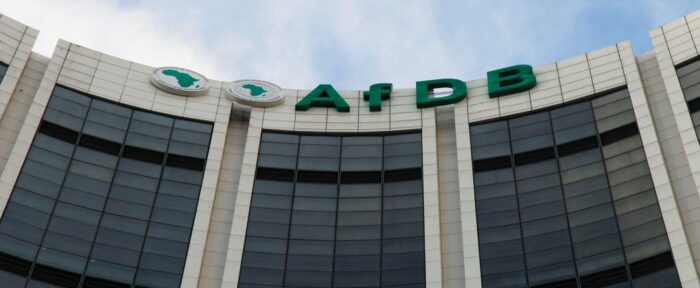
Nigeria’s persistent electricity shortages are imposing significant costs on businesses, with more than 70 per cent of firms now relying on generators and power disruptions eroding an estimated three per cent of annual sales, according to the African Development Bank Group (AFDB).

The finding was contained in the bank’s 2026 African Economic Outlook report, which highlighted the growing economic burden of inadequate infrastructure on businesses operating in Africa’s largest economy.

According to the report, unreliable electricity supply continues to undermine productivity, increase operating costs, and weaken investor confidence.

“Electricity outage losses amount to three per cent of annual sales in Nigeria, and because of this, generator reliance is widespread, with 70.7 per cent of firms in Nigeria owning or sharing generators,” the report stated.

The African Development Bank said Nigeria’s electricity challenges reflect deeper structural and governance issues that are forcing businesses and households to provide essential services for themselves.

The report noted that across Africa, citizens and businesses are increasingly paying out-of-pocket for critical services such as electricity, water, security, healthcare, and logistics—costs that would ordinarily be covered through effective public service delivery.

The bank described these expenses as “parallel levies,” warning that they effectively function as hidden taxes on households and businesses.

According to the report, these additional costs reduce disposable income, increase production expenses, and weaken economic competitiveness.

“Higher domestic resource mobilisation without corresponding improvements in public service delivery imposes large implicit tax burdens on households and firms, which undermines the legitimacy and effectiveness of taxation and leads to a breakdown in the social contract,” the bank stated.

In Nigeria, the consequences are particularly severe as businesses continue to rely heavily on self-generated electricity to cope with erratic power supply.

While generators provide an alternative source of energy, they also increase fuel consumption, maintenance costs, and overall business expenses, making firms less competitive.

The AfDB warned that the situation is contributing to the growth of the informal sector as businesses seek ways to reduce costs and avoid regulatory obligations. This trend, the bank said, weakens tax compliance and reduces government revenue.

To address the challenge, the bank called for substantial improvements in public service delivery, particularly in electricity, healthcare, education, water supply, and sanitation.

“By reducing the need for households and firms to self-provide these services, strengthening performance in these priority areas can enhance taxpayer trust, improve voluntary compliance, broaden the formal tax base, and reinforce the fiscal social contract,” the report added.

Beyond Nigeria, the report painted a broader picture of fiscal pressures facing African countries.

The AfDB said rising debt service obligations, limited access to external financing, and increasing development demands are placing significant strain on government finances across the continent.

According to the bank, Africa loses an estimated $469 billion annually in potential revenue due to weak tax compliance, poor administration, and ineffective policy frameworks.

The report also revealed that inefficiencies in public spending continue to drain resources that could otherwise support economic growth and development.

“More than 40 per cent of public investment is currently lost to inefficiencies, and closing this gap could generate up to $299 billion each year for growth-enhancing investments,” the report stated.

The bank estimated that Africa could unlock as much as $1.43 trillion in additional annual financing by addressing leakages in revenue collection and improving expenditure efficiency.

Speaking on the continent’s long-term economic prospects, Sidi Tah said Africa must achieve and sustain stronger economic growth to address rising unemployment and poverty levels.

“Africa must raise annual growth to 7 per cent or higher, sustained over decades, to enable large-scale job creation and accelerated poverty reduction,” he said.

The report also highlighted structural weaknesses in African tax systems, noting that governments remain heavily dependent on indirect taxes such as Value Added Tax, excise duties, and customs levies.

These taxes accounted for nearly 60 per cent of total tax revenue across the continent in 2023.

In Nigeria and other resource-rich economies, corporate income tax remains heavily linked to extractive industries, underscoring the narrow nature of direct taxation and the need for broader revenue diversification.

The AfDB concluded that improving infrastructure, strengthening governance, and enhancing public service delivery will be critical to boosting productivity, restoring investor confidence, and supporting sustainable economic growth across Africa.


Tags: #AfDB#ElectricityCrisis#Nigerianeconomy#PowerSector
Previous Post

First HoldCo Signals Dividend Return After Strong Q1 Profit Growth

Next Post

Nigeria–UAE Non-Oil Trade Rises to $5 Billion, Set to Hit $8 Billion by 2027

Victoria Emeto

Victoria Emeto

Next Post
Nigeria–UAE Non-Oil Trade Rises to $5 Billion, Set to Hit $8 Billion by 2027

Nigeria–UAE Non-Oil Trade Rises to $5 Billion, Set to Hit $8 Billion by 2027

Leave a Reply Cancel reply

Your email address will not be published. Required fields are marked *

  • Trending
  • Comments
  • Latest
FMDQ Exchange Admits Flour Mills of Nigeria’s ₦30.00bn Commercial Paper Notes

FMDQ Admits TSL SPV PLC ₦12.00 billion Series 1 Guaranteed Fixed Rate Infrastructure Bond to its Platform

March 11, 2021
NCAC inaugurates Creative Industry Sub-Committees

NCAC inaugurates Creative Industry Sub-Committees

September 20, 2020
#EndSARS: Protesters receive heavy gun fire at Lekki toll gate

#EndSARS: Protesters receive heavy gun fire at Lekki toll gate

October 21, 2020
SMEs in Nigeria must be ready to grow with or without Government …Evans Edozie, C.E.O., Cospharma Nig. Ltd.

SMEs in Nigeria must be ready to grow with or without Government …Evans Edozie, C.E.O., Cospharma Nig. Ltd.

September 21, 2020
‘The existence of a production hub in Nigeria will go a long way for the Fashion Industry’. FUNMI RUFAI LADIPO, President Fashion Designers Association of Nigeria.(FADAN)

‘The existence of a production hub in Nigeria will go a long way for the Fashion Industry’. FUNMI RUFAI LADIPO, President Fashion Designers Association of Nigeria.(FADAN)

25
Goldlink’s restructures board

Goldlink’s restructures board

10
Airtel Africa Plc gets admitted to the NSE Main Board

Airtel Africa Plc gets admitted to the NSE Main Board

6
Stallion Tank Farm resumes operations

Stallion Tank Farm resumes operations

3
Asian Stocks Soar to Records as Global Rally Boosts Risk Assets

Global Markets Rally as AI Stocks Surge and Oil Slips on Middle East De-escalation

June 9, 2026
Oil Prices Steady Amid New EU Sanctions and Market Uncertainty

Oil Prices Dip as Iran–Israel Pause Eases Supply Risk Fears

June 9, 2026
Guinea Insurance Deposits N1.5 Billion with CBN to Meet NIIRA 2025 Capital Rules

Guinea Insurance Deposits N1.5 Billion with CBN to Meet NIIRA 2025 Capital Rules

June 9, 2026
African Insurance Leaders Push for Reforms to Unlock $68 Billion Market Potential

African Insurance Leaders Push for Reforms to Unlock $68 Billion Market Potential

June 9, 2026
Business 360 News

Business 360 News is a Business and Financial News Platform with an SMEs drive. Published by 360 Network Limited, and created with the aim of disseminating unbiased business stories to readers within and outside Nigeria, providing in-depth analysis of our stories from a critical perspective against the backdrop of realities, actualities, objectivity and balance.

Follow Us

Browse by Category

  • Africa
  • Agribusiness
  • Agriculture
  • AI
  • Art
  • Arts
  • Aviation
  • Banking
  • Blockchain
  • Business 360 Weekly
  • Business news
  • Business Travels
  • Capital Market
  • CHINA
  • Corporate
  • Cryptocurrency
  • Destination Business
  • East Africa
  • Economy
  • Education
  • Electric Vehicles
  • Electricty
  • Energy
  • Entertainment
  • Entertainment
  • Entrepreneurship
  • EV
  • Fashion
  • Fashion
  • Feature
  • Finance
  • Gas
  • Global Economy
  • Health
  • Hospitality
  • ICT
  • Insurance
  • IoT
  • Japan
  • Lifestyle
  • Luxury
  • Maritime
  • Meetings
  • Mortgage
  • News
  • NGOs
  • Oil
  • Petrol
  • Political Economy
  • politics
  • Real Estate
  • Real Estate
  • SMEs
  • Society
  • Solar Energy
  • South Africa
  • Sports
  • Start-Ups
  • Stocks
  • Success Stories
  • Tax
  • Tech
  • Tourism
  • Transportation
  • UK
  • Uncategorized
  • US
  • World

Recent News

Asian Stocks Soar to Records as Global Rally Boosts Risk Assets

Global Markets Rally as AI Stocks Surge and Oil Slips on Middle East De-escalation

June 9, 2026
Oil Prices Steady Amid New EU Sanctions and Market Uncertainty

Oil Prices Dip as Iran–Israel Pause Eases Supply Risk Fears

June 9, 2026
  • Africa
  • World
  • Our Shows

© Business 360 News - Business, Finance And SMEs News | Design by Manifest!

No Result
View All Result
  • Home
  • Africa
    • East Africa
    • West Africa
    • South Africa
  • News
    • Feature
  • Economy
    • Maritime
    • Agriculture
      • Agribusiness
    • Energy
      • Electricty
      • Oil
      • Petrol
      • Gas
  • Finance
    • Insurance
    • Tax
    • Real Estate
  • Capital Market
  • Tech
    • ICT
    • Solar Energy
    • Electric Vehicles
    • Blockchain
    • IoT
    • AI
    • EV
  • SMEs
    • Success Stories
    • Start-Ups
    • Entrepreneurship
  • Global Economy
    • UK
    • US
    • Russia
    • CHINA
    • Japan
  • Business 360 Weekly

© Business 360 News - Business, Finance And SMEs News | Design by Manifest!