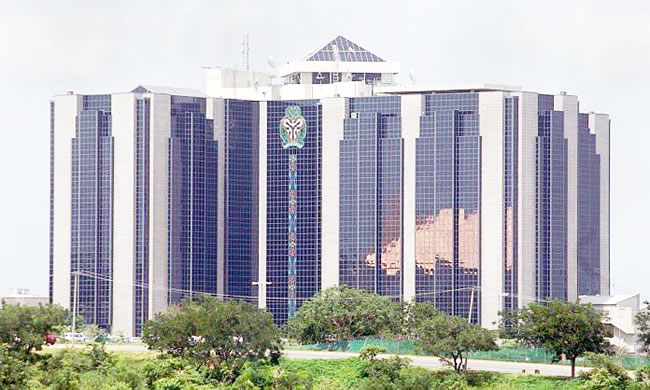
Nigerian banks significantly increased the amount of funds placed with the Central Bank of Nigeria (CBN) through its Standing Deposit Facility (SDF) in July 2026, reflecting a sharp rise in excess liquidity across the banking sector despite the apex bank’s tight monetary policy stance.
Latest financial data released by the CBN showed that commercial banks deposited N83.95tn with the apex bank in July, representing a 670.2 per cent increase from the N10.9tn recorded in the corresponding period of 2025.
The surge in SDF placements was accompanied by a sharp decline in banks’ reliance on the CBN’s Standing Lending Facility (SLF), highlighting stronger liquidity conditions within the financial system.
According to the data, banks borrowed N1.19tn through the SLF in July, an 82 per cent decline from the N6.63tn recorded in July 2025.
The SDF allows banks with excess liquidity to place overnight deposits with the CBN and earn interest. In contrast, the SLF provides eligible banks facing temporary liquidity shortages with short-term funding from the apex bank.
Beyond the SLF, the CBN also supports liquidity through repurchase transactions, under which it purchases securities from banks with an agreement that the institutions will repurchase them at a predetermined date and price. Borrowing through the SLF attracts an interest rate of 500 basis points above the Monetary Policy Rate (MPR).
The increase in deposits alongside the decline in borrowing suggests that banks had significantly more liquidity available during the month. As a result, they relied less on emergency funding from the central bank while placing more surplus funds with the regulator.
The development comes as the CBN continues to maintain a tight monetary policy aimed at curbing inflation and supporting price stability.
At its latest Monetary Policy Committee meeting, the apex bank retained the Monetary Policy Rate at 26.5 per cent. It also maintained the asymmetric corridor around the MPR at +50 basis points and -450 basis points. In addition, the CBN left the Cash Reserve Ratio unchanged at 45 per cent for commercial banks, 16 per cent for merchant banks and 75 per cent for non-Treasury Single Account public sector deposits.
Commenting on the trend, Lagos-based banking analyst Joel Asika said movements in the SDF and SLF windows provide valuable insight into liquidity conditions in the banking sector.
He explained that rising SDF balances generally indicate banks are holding excess cash that cannot immediately be deployed into lending or investments, while lower use of the SLF suggests they are facing less funding pressure and have enough liquidity to meet short-term obligations.