The United States has imposed a 12.5 per cent tariff on imports from Nigeria, placing the country among 60 economies targeted under a new trade measure designed to encourage stronger action against the importation of goods produced using forced labour.
The measure, announced by the Office of the United States Trade Representative (USTR), is part of a broader trade policy initiative aimed at addressing what Washington describes as inadequate restrictions on products connected to forced labour in international supply chains.
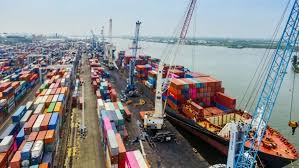
Nigeria is among the countries that will be subject to the 12.5 per cent tariff under the new arrangement. The additional trade charge could have implications for Nigerian exporters seeking access to the US market, potentially increasing the cost of Nigerian goods sold to American consumers and businesses.
The USTR said the countries affected by the measure are economies that have not “imposed and effectively enforced a prohibition on the importation of goods produced with forced labour.”
The latest decision reflects growing international attention on labour practices within global supply chains. Governments and businesses around the world have increasingly come under pressure to ensure that goods traded internationally are produced under acceptable labour conditions and without exploitation.
According to the USTR, the measure follows investigations launched in May 2026 into 60 of the United States’ largest trading partners under Section 301 of the Trade Act.
The investigation process involved extensive consultations with stakeholders and governments. The agency said it received more than 1,600 written submissions and conducted public hearings involving more than 100 witnesses. It also consulted with more than 45 governments before announcing the new tariffs.
The USTR’s findings resulted in different tariff rates for countries based on their existing policies and commitments concerning forced labour imports.
While Nigeria and other countries will face a 12.5 per cent tariff, India, Indonesia, Malaysia, Mexico and the United Kingdom will be subject to a lower 10 per cent rate. The USTR said the lower rate would apply to countries that have already implemented, or committed to implementing, prohibitions on the importation of goods associated with forced labour.
The difference in tariff rates suggests that the United States is using trade policy as an incentive for countries to strengthen their domestic frameworks and enforcement mechanisms. Countries that demonstrate progress in preventing forced labour-linked products from entering their markets could potentially receive more favourable trade treatment.
For Nigeria, the development could prompt renewed discussions about labour standards, supply-chain transparency and the regulatory framework governing the production and export of goods.
The potential impact on Nigerian exporters will depend largely on the products affected by the tariff and the extent to which companies can absorb or pass on the additional cost. Businesses that rely heavily on the US market may face increased pressure to remain competitive if the additional tariff raises the final price of their products.
The development could also encourage Nigerian businesses to conduct more detailed assessments of their supply chains. Companies may increasingly need to demonstrate that their production processes comply with international labour standards and that their suppliers are not associated with forced labour practices.
The issue is particularly relevant to industries that depend on large labour forces and complex supply chains. These may include agriculture, manufacturing, textiles, mining and other sectors where labour conditions can attract international scrutiny.
The US action also comes at a time when trade relationships are increasingly influenced by social and environmental considerations. Access to major consumer markets is becoming more closely linked to compliance with standards covering labour rights, sustainability and responsible business practices.
For Nigeria, the new tariff could therefore serve as a catalyst for strengthening policies designed to prevent forced labour and improve labour protections. Government agencies and private-sector organisations may need to work more closely to ensure that Nigerian products meet the standards required by major international trading partners.
The Federal Government could also face pressure to engage with US authorities to clarify Nigeria’s position and explore measures that could improve the country’s trade status under the new policy.
The 12.5 per cent tariff comes as Nigeria continues to seek greater opportunities for export growth and economic diversification. Expanding non-oil exports remains an important component of efforts to reduce the country’s dependence on crude oil revenues and strengthen foreign exchange earnings.
The United States is an important market for Nigerian businesses, making the cost and conditions of access to the market a significant concern for exporters.
While the tariff could create short-term challenges, it may also encourage businesses to improve production standards and strengthen their international competitiveness. Companies that adopt robust labour compliance systems and transparent supply chains may be better positioned to navigate increasingly demanding global trade requirements.
The USTR’s investigation also demonstrates the growing willingness of the US government to use trade measures to influence the policies of its trading partners. The involvement of 60 economies highlights the scale of the issue and the importance Washington places on eliminating forced labour from global commerce.
For affected countries, the message is clear: trade access may increasingly depend not only on the quality and price of goods but also on how those goods are produced.
As the new tariff regime takes effect, Nigerian exporters and policymakers will likely monitor its impact closely. The government may also need to assess the country’s existing legal and enforcement framework to determine whether additional measures are necessary to address the concerns raised by the United States.
The broader objective will be to protect Nigeria’s trade interests while ensuring that its production and export systems meet internationally recognised labour standards.
Ultimately, the new US tariff presents both a challenge and an opportunity for Nigeria. While the 12.5 per cent levy could increase the cost of Nigerian products entering the American market, it could also stimulate greater attention to labour practices, supply-chain transparency and responsible production.
For Nigerian businesses seeking to expand internationally, compliance with global labour standards is likely to become increasingly important. The ability of the government and private sector to respond effectively could determine whether the country is able to maintain and expand its access to the US market in the years ahead.